The idea of having your outdoor wedding in Kenya is likely to present you with a gorgeous environment in which your marriage ceremony will take place; the rains in Kenya should always be a consideration in your planning process.
Rather than focusing on the weather being favorable all throughout, prepare your venue, your guest area, décor and scheduling according to the possibility of rain. In Kenya, the amount of rainfall is not uniform for all regions. As such, you need to check the weather forecast in your wedding place.
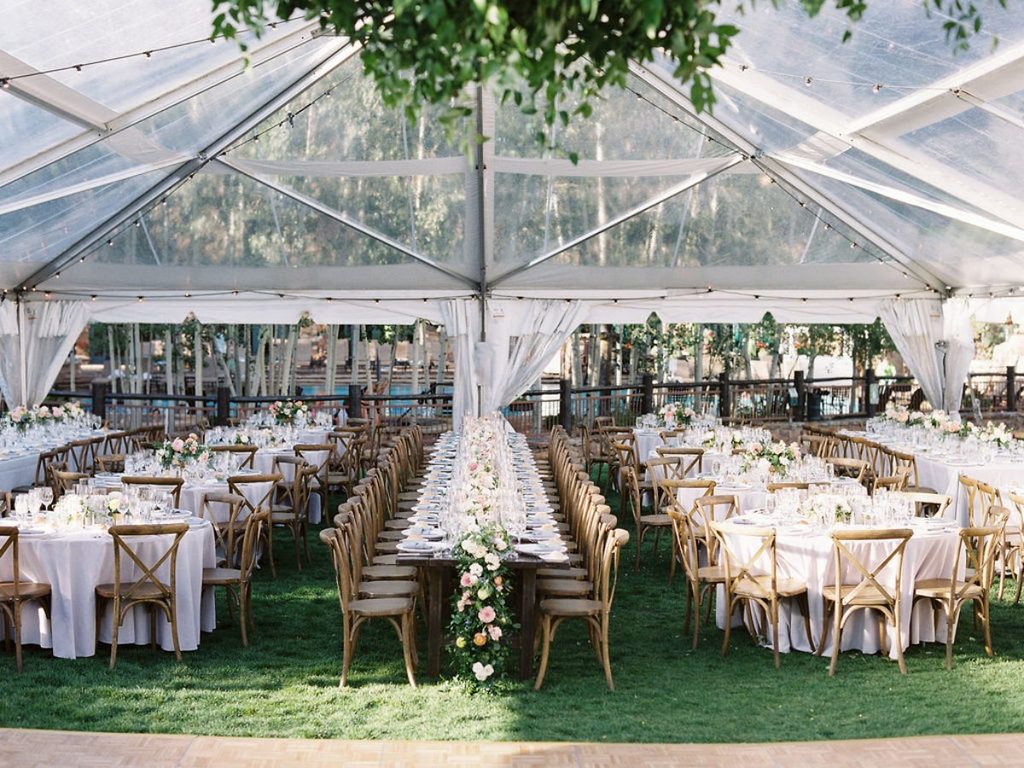
1. Select a Wedding Venue That Has a Good Rainfall Strategy
Selecting the venue can make all the difference in making the whole process of managing the rain a smooth one. When assessing potential outdoor wedding venues, one needs to think of much more than just the garden, lawn, or scenic environment and see how the place will hold up in case of rains on the day of the event.
Think of More than Just the Outside
Find out whether the venue is equipped with an area where guests could move in case of any unexpected changes in the weather and also the location of the parking lot, washrooms, catering areas and entrances.
Ground conditions are also important to note. An unpassable ground due to rainwater could be problematic for guests trying to move around the venue.
It is also good to find out if the place has previous experience in handling wet weather weddings and if necessary, setting up tents.
Think of the Location and Season
Rainfall patterns vary from one part of Kenya to another. As such, apart from seasonal forecasts by the Kenya Meteorological Department, wedding plans need to consider the place of the ceremony.
2. Invest in a Strong Wedding Tent and Backup Space
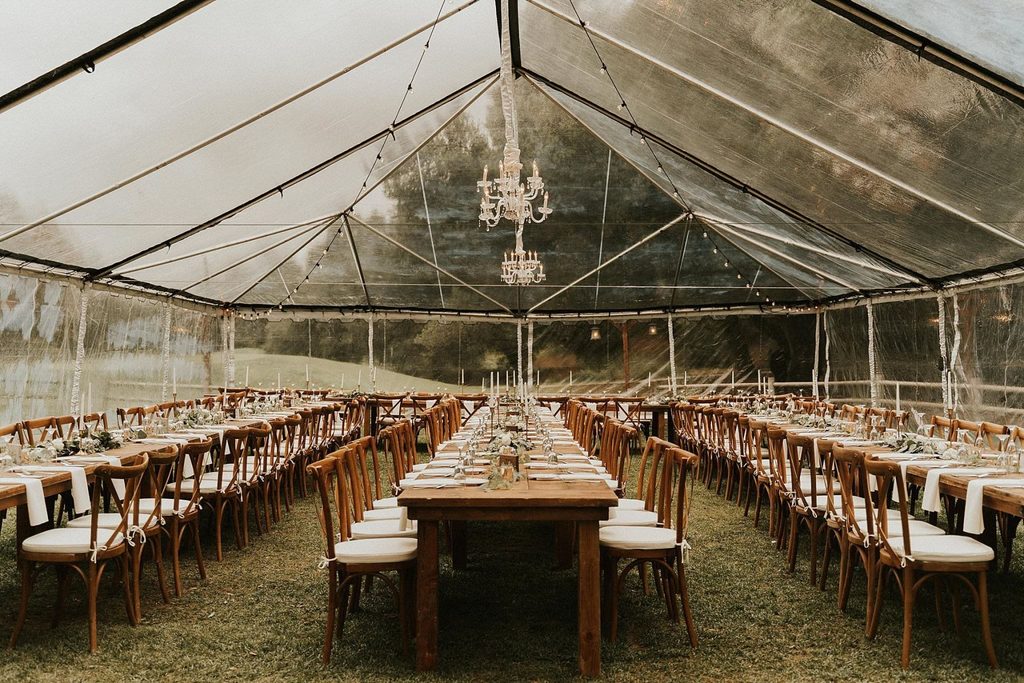
If your wedding will be outdoors during a time when rainfall is expected, then a good tent will be essential in setting up for the occasion. But the tent must be designed with the whole reception in mind, and not just the number of people invited.
Select a Tent that Complements the Setup of Guests
Think about how you want your guest seating to look like. There are tables, chairs, the catering area, the dance floor, the entertainers, and walkways that need space.
The tent that is big enough for the number of guests but does not give ample space to move around will not create a pleasant reception setup. Consult with your tent supplier on the type of coverage that will suit the activities.
Think About Water, Wind and Ground Conditions
A rain plan also needs to be drawn for the area surrounding the tent as well as taking into account how the rain water would pool and whether the guests would have to walk across any muddy areas to access the reception.
A tent needs to be erected by an expert provider based on the specifications of the venue and the recommendations of the supplier or manufacturer of the tent.
3. Keep Guests Comfortable With a Mud and Rain Protection Plan
Securing the main reception area is not the only preparation necessary for an outdoor wedding in wet weather. It is possible that guests will still have to move through several points, including the parking lot, ceremony site, reception tent and bathrooms.
Protect High Traffic Areas
Find out the paths that the guests are going to take and see whether they might require any extra protection. At different venues, it could be anything from covered walkways to mats or temporary flooring in places that are prone to getting muddy.
The entrances have to be particularly taken care of since a lot of people are going to use them at once. It will help in preventing rain from turning into something bothersome.
Guest Movement to Consider
Take into account the entire process that your guests will follow and not just individual segments. For guests who will be arriving by car, they must be made aware of where they need to head, and guests who travel from the ceremony to the reception must also be given guidance.
In case of rain, make guests aware of the new plan through the wedding party and venue staff.
4. Make Your Wedding Décor and Equipment Rain-Ready
The weather can influence other elements apart from the seating and walkway plans. The outdoor wedding decorations and equipment need consideration in the planning of your contingency plan in case of rain.
Properly Place Decor
Flowers, signs, table decorations and backdrop photos need to be arranged depending on the weather. Outdoor décor needs to be chosen according to the environment.
When some decorations may be especially affected by the wet weather, then consider in advance whether they can be removed to an indoor location or covered during rain.
Arrange Entertainment Equipment Properly
The entertainment equipment needs extra attention because it will depend greatly on the use of electricity. Speakers, DJ setup, lighting, staging and other electrical equipment needs proper arrangement and protection from rainwater.
Make sure that you discuss with your equipment vendor and venue management in advance of the wedding about the equipment arrangement. Make sure that the cables will not be an obstacle to the guests.
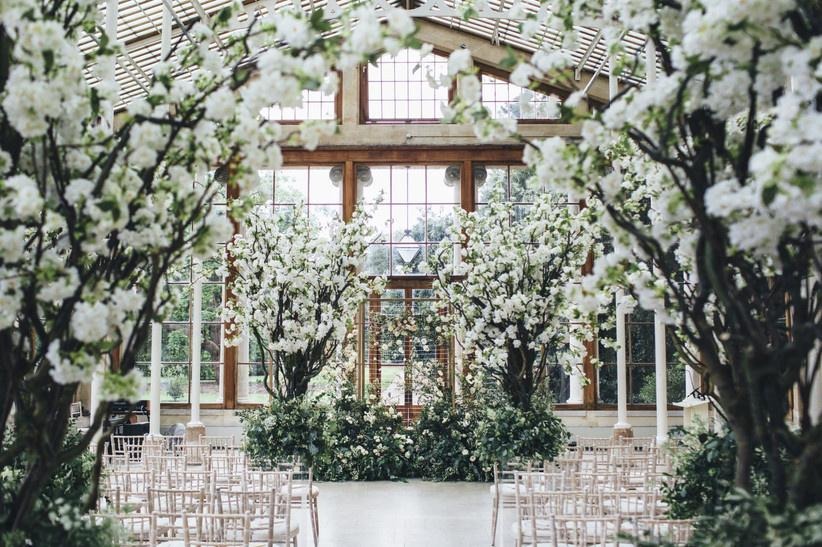
5. Prepare a Practical Guest Comfort Plan
Rain at a wedding doesn’t always have to be an unhappy wedding. Consider what your guests will require from the time they arrive until the end of the reception.
Think About Dress and Seating
Your guests will be dressed for the occasion as if it were outside, so it is important to have shelter in place in case it rains to allow movement around the venue.
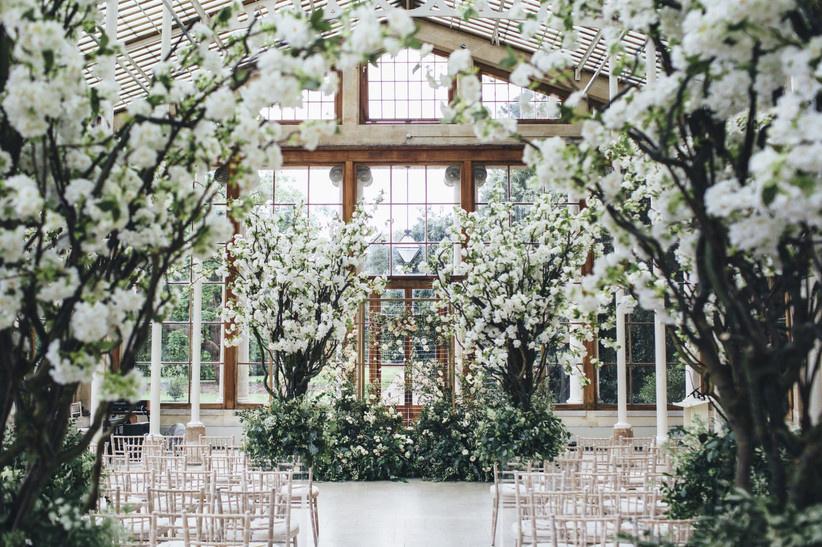
The seating needs to be thought out taking into account the plans you have for the event as well. If you move some areas indoors, you need to ensure that there is sufficient space to seat your guests comfortably and let them move around.
Consider Old and Disabled Guests
Certain guests will find the conditions such as muddy paths difficult to navigate. In such cases, it will be better to choose easy-to-tackle routes between different parts of the venue.
This can be done in advance at the venue itself.
6. Build Flexibility Into Your Wedding Timeline
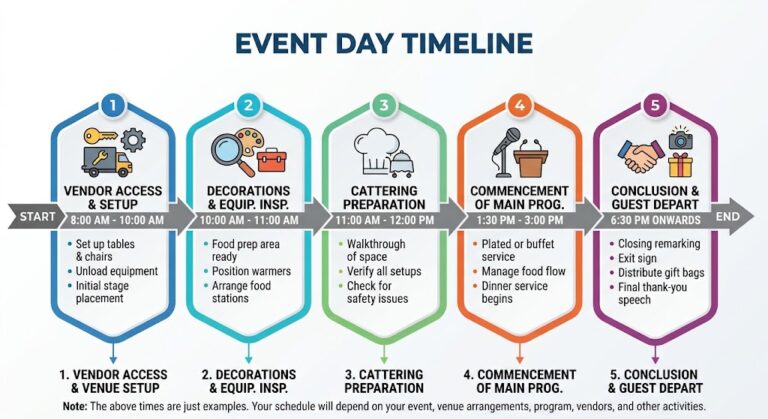
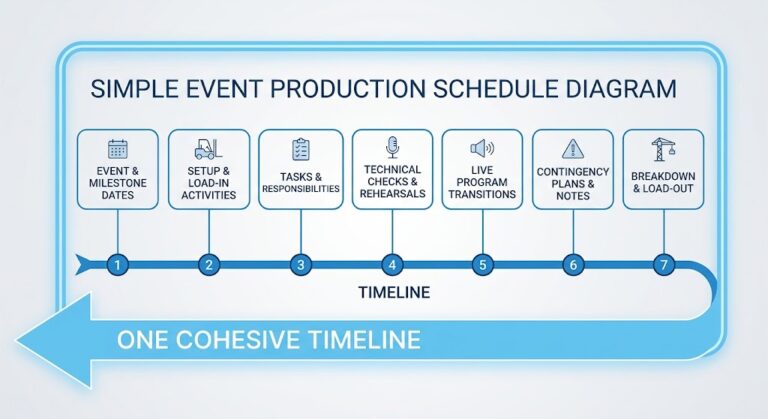
There needs to be some flexibility within the schedule because of weather conditions during the outdoor wedding ceremony. Where everything hinges on an outdoor time schedule, a little rain could cause much more stress than necessary.
Create an Adjusted Wedding and Reception Schedule
In setting up the schedule, it is important to know which events must take place outside and which can be switched to indoor locations.
For instance, photography can be switched to another location while the outdoor wedding event can either be rescheduled or switched indoors if need be.
The wedding planner or coordinator should have the adjusted schedule at hand just in case something needs to change in the initial schedule.
Determine Who Will Make the Decision Based on the Weather
It is unwise to wait until people are outside trying to figure out what to do before making a decision regarding the weather.
Whoever makes the call regarding whether the ceremony will be moved, whether the reception layout will be switched or whether the outdoor wedding event should be rescheduled needs to be decided on beforehand.
7. Monitor the Forecast and Create a Clear Rain-Day Plan
Rain season weddings are not just about looking at the weather at the time of making your arrangements. This is because the weather may change, and it is important that you keep an eye on the weather even as the day of your wedding comes nearer.
Do Not Rely Only on the Seasons
The seasonal forecast will give you information about the kind of weather conditions you expect, but this does not tell you about the exact weather during your wedding day. There are various kinds of forecasts by the Kenya Meteorological Department. They include seasonal, monthly, weekly and county-based forecasts.
Using the Information Provided
Use the information that relates to where you are getting married and keep checking other forecasts as the wedding day comes near.
Decision Point
Make a simple rain day plan for yourself before the wedding. Decide what time the final weather check will be made, by whom and how the venue team will inform of changes.
The plan will help you decide on important issues like where the ceremony will move to, where the guests will wait and which outdoor wedding events can be moved elsewhere.
Final Rainy-Weather Wedding Checklist
Prior to the special day, check your plans and verify the following:
Venue selected with weather considerations
Reception hall or backup covered area booked
Proper tent arranged where needed
Guest walkways planned
Muddy or wet areas determined
Décor protected or easily moved
Electrical setup properly arranged
Photography backups determined
Backup schedule set up
Weather monitoring arrangements made
Person responsible for rainy day decisions identified
Frequently Asked Questions About Outdoor Wedding in Kenya During Rainy Weather
1. Is it possible to get married outdoors in Kenya during the rains?
Yes. It is possible to get married outdoors during the rains provided you account for changing weather conditions. You can choose an outdoor wedding venue that offers sheltered locations, have a good wedding tent, make provision for key equipment and decorations, as well as have a good plan for the rains interfering with your outdoor setting.
2. How do I select an outdoor wedding venue in the rainy season?
Select an outdoor venue with good drainage facilities, parking areas, sheltered areas, good ground conditions as well as sufficient space to erect an alternative indoor location in case of heavy rains. Other things include how your guests will be able to move from one place to another without being exposed to mud or rain.
3. Do I require a tent during my outdoor wedding in rainy weather?
It is very important that you have a tent since it acts as your shelter from rain yet allows you to stay outdoors. The tent should be adequately erected and should be of adequate size to cater for your guests, seats, eating areas and all other wedding necessities.
4. What will happen in case of rain at the time of outdoor wedding?
With proper rain planning, you can go ahead with your wedding. In case of a wedding outdoors, you will either be moving to another location, or the wedding can go on within a tent. Discuss this arrangement with the planner and venue management well in advance.
5. How will I secure wedding decorations and equipment from rain?
Ensure that all electric equipment, furniture, decorations and other items stay protected from rain and water. Discussions will have to take place with your suppliers in case of lights and sound equipment and other electric installations.
Make Rain Part of the Plan, Not the Problem
The preparation for outdoor wedding in Kenya under rain requires planning for various scenarios that may arise. This is not about predicting weather changes; instead, the objective is to ensure that all the arrangements for your event can respond appropriately in case there is a change in weather.
Pick a venue that has an alternative solution to offer and plan your tenting and guests’ paths. Also, protect your equipment and have a flexible time schedule. Monitor weather information regarding your particular area before the wedding day.
By having proper contingency plans and setting up an outdoor wedding properly, you can enjoy your special day without being worried about any weather change spoiling the party.
This version is formatted for WordPress editing with the keyword and relevant words used naturally without repetition, as well as no numerals or unsupported weather guarantees.