Event budgeting and planning in Kenya is very active. Be it classical Ruracios, destination weddings in Nairobi and Naivasha, top-notch corporate events or celebratory birthdays, the Kenyan people know how to celebrate events like no other.
But every celebration event faces one problem – the problem of overspending. A lot of planners face the situation when they are put under pressure due to unexpected financial burdens like NCCG licenses, security permits or long-range logistics.
It is not necessary for you to be faced with unexpected financial problems. This guide offers you a lot of tips on how to organize your finances during the event.
1. Understanding the Kenyan Event Budgeting Landscape & Cost Realities
It is important to consider more than just the quotes when doing the budget for your event in Kenya because there are certain economic factors such as inflation rate, changing fuel costs, and transaction fees by M-Pesa and banks that can make your costs exceed the budget unknowingly.
To counter this, the best strategy would be to be flexible with your budget as opposed to making strict budget plans. Each event budgeting should have a contingency factor that will account for changes in costs.
Corporate Events versus Social Events
The focus of budget considerations varies with the type of event being held.
Corporate Events: Focus of budgets includes ROI, top-of-the-line AV equipment, branding stands, high-speed Internet connectivity, and catering services for the delegates.
Social Events (Weddings, Ruracios, Birthdays): Focus of budgets includes the entertainment, décor, and catering aspects.
The Effects of Seasonality
Timing is very crucial when it comes to vendor quotations since they change with the seasons. The demand goes up significantly in the peak season that is during the Christmas holiday season and the dry weekend months from June to October.
Step 1: Define Your Event Scope and Objectives
Prior to opening your spreadsheets and reaching out to your suppliers for quote requests via WhatsApp, you must have crystal-clear vision regarding the scale and ambition of your gathering.
And it’s right here that many event hosts get out of financial control—jumping directly into the pricing of vendors before they know what they really wish to accomplish.
Define the exact scope and location of your event. Are you planning an executive Nakuru corporate gala, a laidback coastal destination wedding in Diani or a small family gathering party in Karen? The location will determine your logistics, transport needs, and vendors available.
Following this, estimate your number of guests. The number of your guests is the most important cost driver in event budgeting; just adding twenty more guests might seriously increase your catering, seating and venue needs.
Actionable Tip: Create a Master Vision Board First
Do not think about any numbers until you have created your master vision board or written your creative brief. Collect all your images and colors, and structure needs like the size of tents and stage structures. With this visual and functional brief in hand, you will find it much easier to say “no” to unwanted items.
2: Establish Your Financial Baseline and Sources of Funds
Before noting even a single line item, there is the need for you to know for sure from where you will get your money. The common sources for event budgeting and financing in Kenya are personal savings, corporate funds, or even community funding.
When talking about social events such as weddings and curacios, the popular WhatsApp group fundraising becomes an important part of culture.
Although the contribution from the WhatsApp groups helps you in increasing your financial ability, the main thing is that you should not plan anything with those pledges. Separate your guaranteed income (savings, loans, or available cash) from your anticipated contributions.
3: Categorize and Allocate Your Budget (The Adapted Event Rule)
Having your base line in place, the other most crucial stage when creating an event budgeting in Kenya is allocating your finances in the proper cost centers. As opposed to personal budgeting strategies like the 50/30/20 method, events demand an exclusive budgeting strategy that will incorporate the high costs of procurement suppliers, technical equipment, and the mandatory permits.
Proper allocation of budget ensures that your funds are not misused on trivial areas but on major cost centers that are experienced. The following is the way you are supposed to allocate your major cost centers:
Venue & Catering (Heavy Hitters: 40% – 50%)
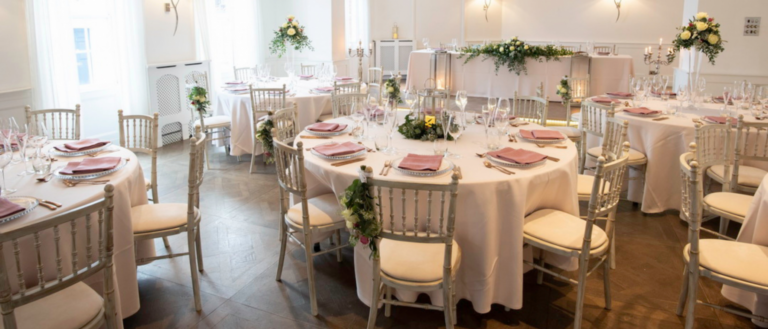
Food, drinks, and venue rent will obviously eat up the biggest portion of your budget. In Kenya, the choice of the venue is very crucial.
Venues in the most desirable Nairobi zones such as Westlands, Karen, or Gigiri have a tendency of being more expensive on a head basis and also costly on the aspect of security as compared to beautiful venues that are outside the city in Nakuru, Naivasha, or Kiambu.
2. Décor, Style & Ambiance (15% – 20%)
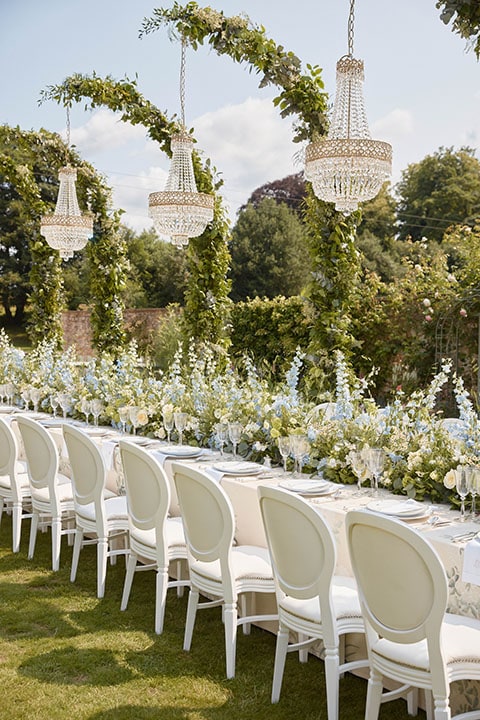
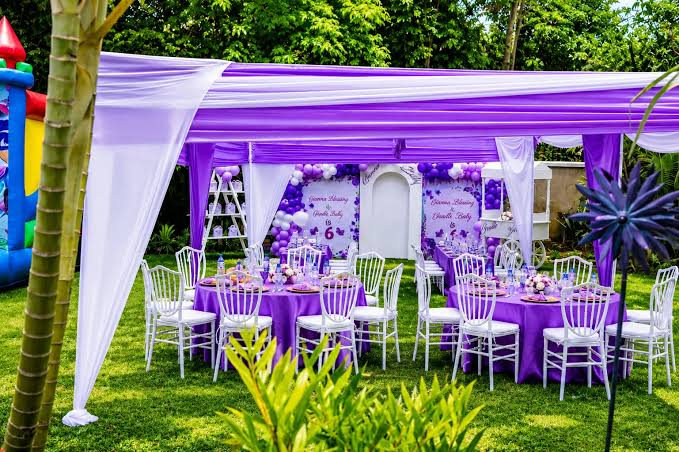
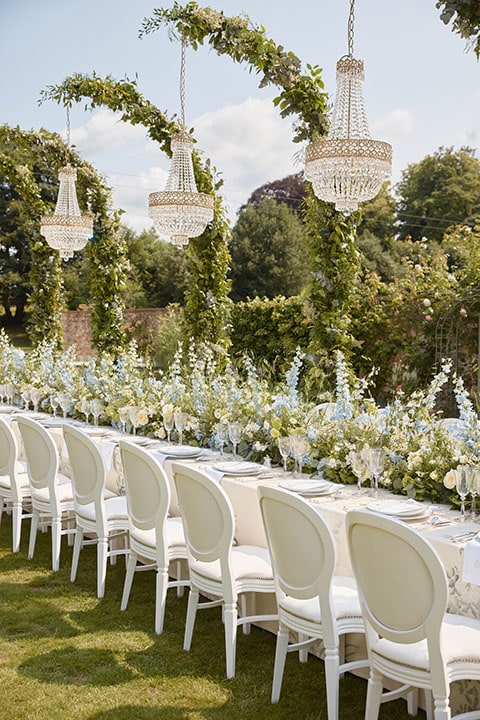
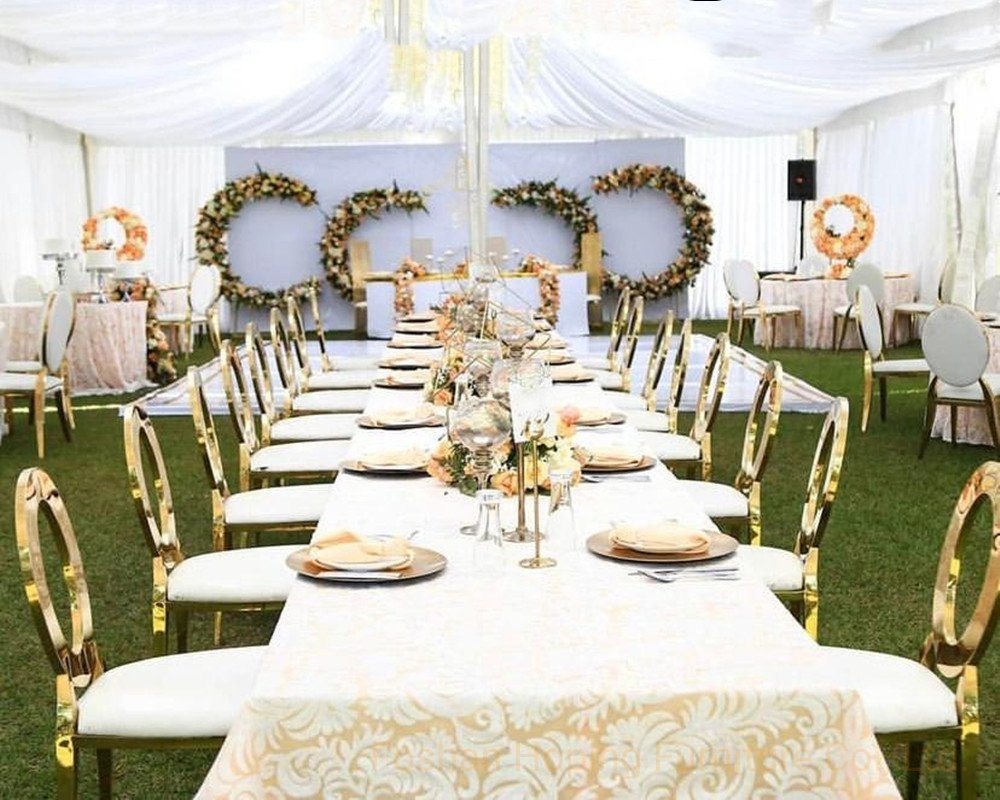
Going from blank walls to making the venue truly engaging requires excellent style. The category includes all aspects of décor from tents and draping through lighting to centerpieces and flower arrangements. Collaborating with a decorator that can incorporate the climatic conditions of the region will make sure that your style lasts throughout the day and even night.
3. Entertainment & Tech (10% – 15%)
The atmosphere of any event in Kenya is highly dependent on sound and performance. It is necessary to invest in professional DJs, bands, MCs, audio equipment and video screens. A live stream should be arranged if there are guests from afar joining in. Saving money on sound is probably the fastest way to kill the atmosphere.
4. Logistics and Administration (10%)
Remember the costs that ensure compliance of your event and its smooth functioning. This entails the NCCG permits in Kenya, security personnel, guest parking arrangement, transportation of materials, and copyright licensing fee in the form of music which is compulsory from organizations such as MCSK and KECOBO.
5. Contingency Fund (10%-15%)
Always ensure that there are leftover funds after everything. Do not spend all the funds you have. Make sure that you have locked away 10%-15% of the money that can be used for any emergencies. It could be the case where there is a need for the use of strong waterproof tents or any other transportation of supplies in the event of unforeseen weather changes.
4: Sourcing and Negotiating with Kenyan Vendors
Whether looking for excellent catering firms in Nairobi, creative florist services in Mombasa, or good sound engineering companies in Kisumu, vetting the right local talent is an exercise that demands great patience and diligence.
Always ask for latest portfolio reels, read verified client feedback, and, where possible, arrange live video demonstrations or live physical supplier exhibitions before parting with your hard-earned money.
Here are some tips when negotiating with Kenyan suppliers/vendors:
The Power of Bundling: In most cases, the vendors are more than happy to offer reduced prices and value added benefits if you bundle packages.
Booking your venue and catering together or hiring an experienced coordinator like Lumi Events to handle multiple service providers gives you access to the industry exclusive discounts that regular customers are denied.
Payment Milestones: Never pay all the amount upfront. As per the standard industry practice in Kenya, payment is made through a deposit (usually 40%-50%) which secures your booking, progress payments and final clearance after successful completion of the service. In the case of corporate events, make sure that the LPOs and credit terms are in place.
Scamming on Social Media: With social media having become the main trading platform, always be wary of rogue social media sellers. Watch out for too-good-to-be-true discounts, refusal to meet physically or via video calls and insistence on making payment to unverified personal mobile phone accounts.
5: Tracking Expenses and Managing Cash Flow
A meticulously crafted budget cannot work without effective tracking. Moving away from mental computations and jotting on pieces of paper becomes very important if you wish to keep your event budgeting organized.
If you use Excel or Google Sheets, or other budgeting tools available, you will be able to see how much you are really spending compared to your budget estimates at any given moment.
When it comes to Kenya, where M-Pesa accounts for everyday cash transactions, effective tracking of your M-Pesa payments becomes imperative.
You should always make sure that you have all your transaction notifications from Lipa na M-Pesa and Paybill and transaction codes for bank transfers stored neatly in your digital files.
6. Master Your Event Budgeting Today
Good event budgeting is made possible by proper scoping, good allocation, negotiation, and proper expense monitoring. When you lay down a good budgetary plan for your event, you get to relieve yourself of any financial worries as you host your event.
If you are planning an event in Kenya, contact us at Lumi Events today.With us, it is possible for you to receive the most favorable negotiated prices with our suppliers, comply with ease, and organize your perfect event.
7. Frequently Asked Questions (FAQ)
1. How much budget per head do you require for an event in Kenya?
Events budgeting have variable cost considerations. For a basic to luxurious social or corporate event, one will need a budget that ranges from KES 2,500 and above depending on whether you go for the premium venues in Nairobi/Naivasha or a simple setup in other regions.
2. Can I budget for the expected WhatsApp group fundraisers?
No. Although the WhatsApp group is a popular way of fund raising, it is advisable to plan with the actual budget that is guaranteed.
3. What are some of the administrative costs that are usually not considered by planners?
The cost considerations may include county local authorities’ licenses (NCCG permits in Nairobi), music rights fees (MCSK and KECOBO), parking cost and security arrangements.
4. When is the ideal time to approach vendors to enjoy off-peak discounts?
For off-peak discounts, schedule your event when there is no rush. Avoid scheduling in December holiday and during the dry season from June through October.
5. Why does it make sense to work with a professional planner such as Lumi Events?
Working with a professional planner ensures cost savings through bulk purchasing and reduced intermediary costs.