Event planning does not simply consist of venue selection, guest list and timing but also includes determining the type of event equipment that could assist in making the event successful from chairs and tables to audio, lighting, staging, and catering equipment.
In case you find it difficult to select the right event equipment for your event, your number of guests could be one of the best starting points. It is obvious that the size of your guest list will influence the amount of seating you will require, distribution of sound, possible number of serving zones and the area required for equipment.
Participant numbers are not the only factor to consider here. The location, format, layout, activities, and technical requirements could all have an important impact on this situation.
Why Guest Count Matters When Choosing Event Equipment
Before choosing event equipment, one needs to first get the accurate number of expected guests. The equipment needed at an event of 50 people is very different from what would be needed for weddings or corporate events for 300 guests.
Guest number determines the number of chairs, tables, catering equipment, and some technical equipment. The number of guests also determines how one would arrange the venue to allow the guests access to seating, dining, stage, and other event areas.
The number of guests should not be used as the sole determinant of all types of equipment needed. A conference with 100 people might require more equipment compared to a 100 person private dinner.
7 Proven Tips for Choosing Event Equipment by Guest Count
1. Start With Your Exact Guest Count
In order to learn how to select the right event equipment, the first step should be making an accurate number of guests’ predictions. Your computations should be based on the actual number of guests that you have already registered and that will surely attend rather than just making assumptions without proof.
In this way, you will be able to determine how many chairs, tables, sound equipment, catering services, etc., you will need for this event. If your number of guests is not stable yet, you can continue monitoring the situation till the date of the event.
It will also help you communicate your needs to the representative of the event equipment rental company since you will be able to clarify the size of the event.
2. Match Tables and Chairs to Your Seating Plan
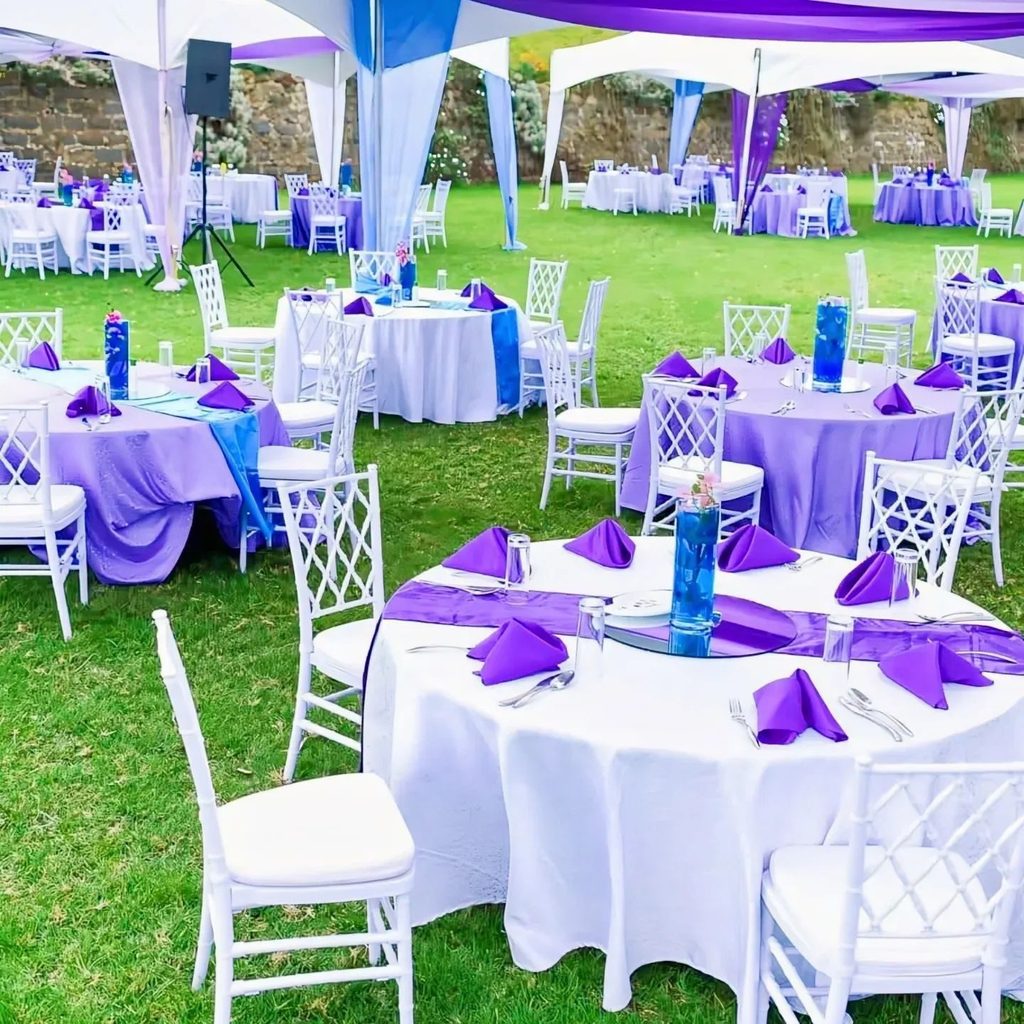
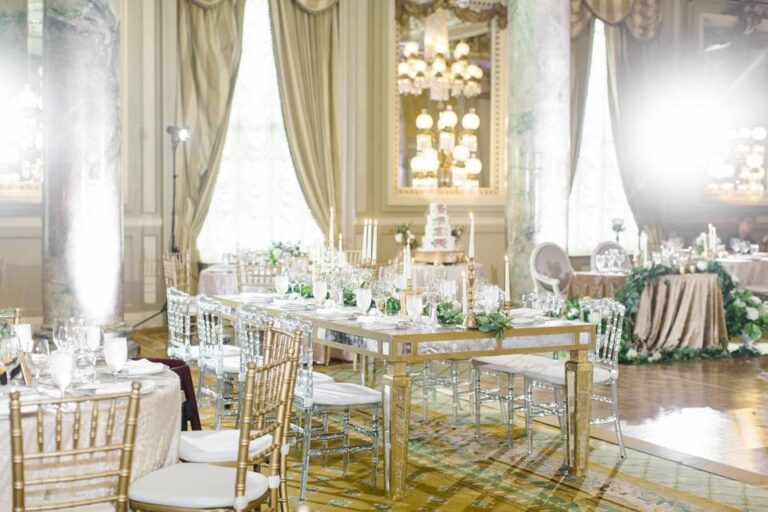
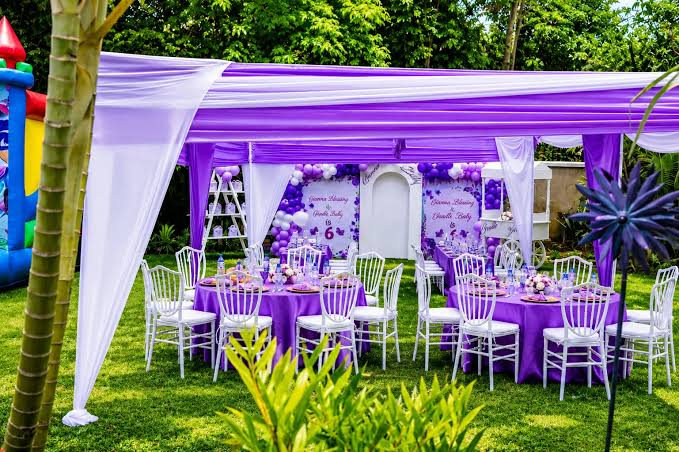
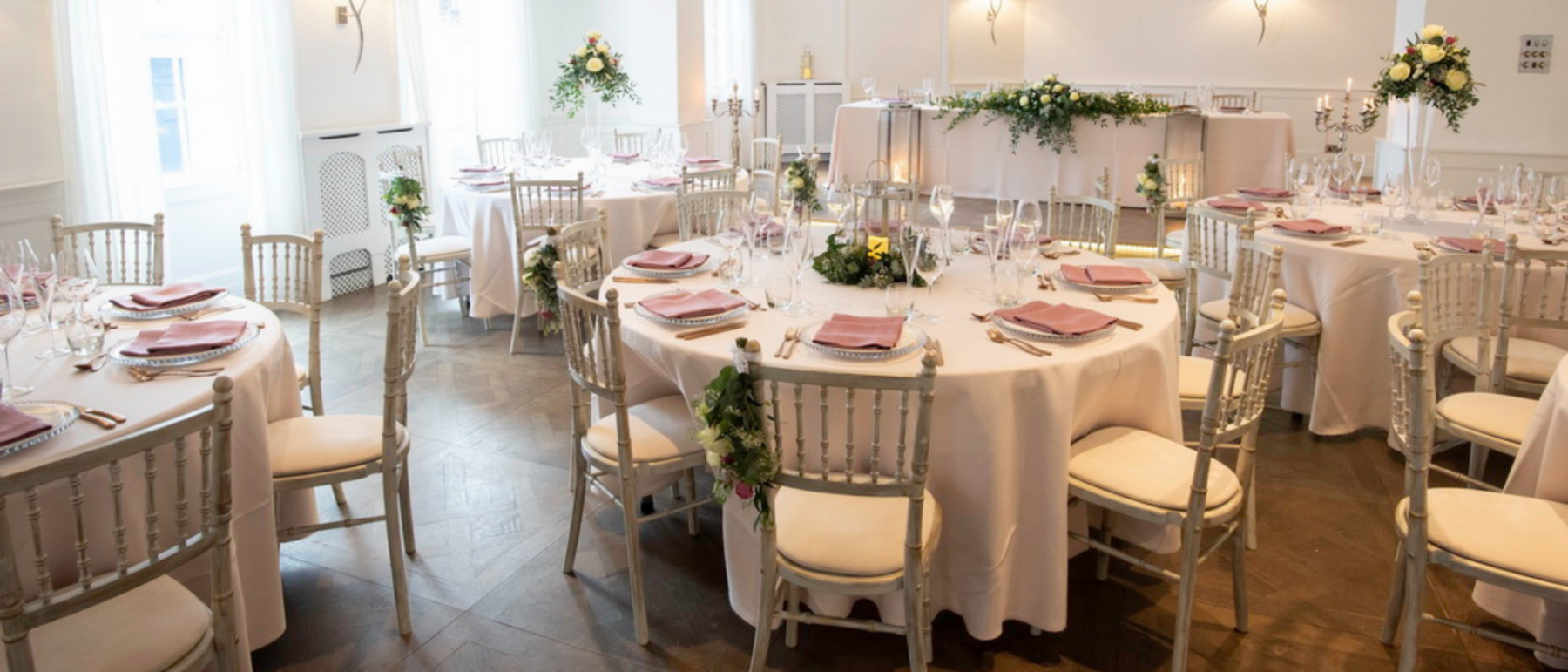
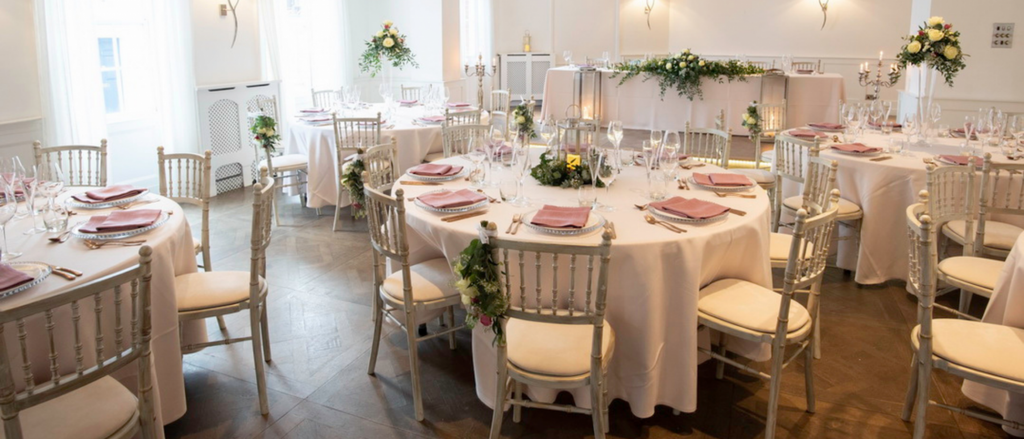
One area where you can observe how guest count impacts equipment needs most clearly is furniture. When thinking about how to select event equipment, it is not just about calculating one chair per guest.
You have to think about how to place your guests and what types of tables are appropriate to the event. Whether it will be round dining tables, rectangular banquet tables, cocktail tables, or any other arrangement, all of them will have different requirements.
For example, the requirements for 100 people that will be seated around round tables would be different from the requirements for 100 people that will be seated around long tables.
This will depend on the sizes of the tables, the number of people that can sit at one table, and the amount of space that is needed for the walkways.
3. Choose Sound Equipment Based on Crowd and Venue
Selection of sound equipment must be done depending on the number of attendees and the venue at which the event will be held. This is one of the factors that come into consideration when learning how to select event equipment since it may not be enough to install extra speakers.
Determine what microphones, speakers, mixer, stand, DJ equipment, or monitoring equipment you need. An indoor event for 50 people may not need a complicated sound installation while for 200 people in an outdoor environment, this may need some planning.
Acoustics of the venue, size of the room, installation of speakers, number of speakers, and nature of the event are among the considerations for your sound installation.
There will be different audio considerations for a conference involving various speakers and for a wedding with dancing and music being the center of attraction.
4. Scale Lighting to the Space, Not Just the Guests
As you make decisions on equipment for your event, note that just because of the number of people in the event does not necessarily mean you will need to use much lighting.
There should be lighting in terms of ambient lighting, stage lighting, lighting for decorations, dance floor lighting, and even outdoor lighting, if necessary.
The equipment that is needed for lighting an indoor event of 200 people can differ from equipment that is used to light up an outdoor event of 200 people. This is because of the ceiling height, stage size, location of the dance floor, decorations, and even the atmosphere you want to create.
The goal is to have proper lighting without using excess equipment.
5. Consider Catering and Serving Equipment
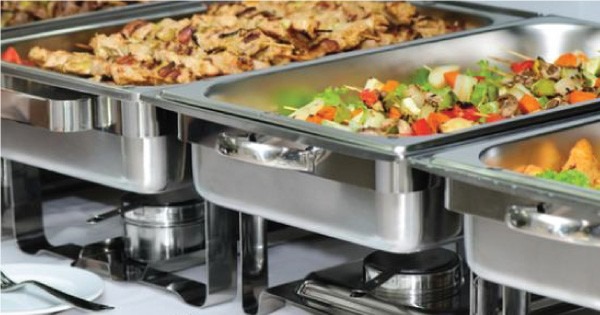
Serving food and beverages can be made difficult by inadequate equipment planning that doesn’t take into consideration the number of guests. When studying how to select event equipment, keep in mind the way that your guests will be served food and beverages and where they will sit.
For example, depending on the type of the event you might need to have various catering equipment such as buffets, serving stations, beverage stations, food warmers, dining tables, and other.
How you arrange these serving points is important as well as how many of them you have. For example, having hundreds of guests serving their food from one small serving point will create traffic.
6. Account for Staging, Screens, and Presentation Equipment
Event type plays a vital role in the choice of the right event equipment. The number of guests can help define the scale, but the nature of activities being conducted at the event defines which equipment is necessary.
For a wedding, there could be a requirement for a stage, dance floor, equipment for DJ, microphones, and decorations with lighting. For a conference, one could require screens, projection, presentation equipment, microphones, and lecterns. Corporate events could require presentation displays and other equipment too.
Consider the event agenda while choosing the right equipment for the event. Based on whether or not there would be any presentations, speeches, dancing, dining, or any other activity, one may have to add to their list of equipment.
7. Leave Room for the Venue and Event Layout
One typical error while trying to understand how to select event equipment is to concentrate on numbers without verifying if all equipment will fit nicely into the venue.
Prior to renting equipment, take into account the total floor space available and what will be the position of each piece of equipment. This should include seating for guests, aisle ways, entry/exit points, catering area, stage, dance floor, and technical operation space, among other things.
The equipment should fit into the occasion and not hinder movement. Although you may have adequate seating for all the guests at your disposal, it may not necessarily mean that your venue will be comfortable to move around.
Event Equipment Guide for Different Guest Counts
Equipment for 50 People
If you are organizing an event that involves about 50 people, the equipment list will not be too large, but still needs to correspond to the format of the event. Seating, tables, sound, lighting, and catering area may become the basics of such an equipment.
Equipment for 100 People
With about 100 people, seating and furniture planning is very important because the space will accommodate more people and also keep enough passages. The sound coverage, the places to serve food, lighting and stages need to be thought about, too.
Equipment for 200 People
Planning the event with 200 people requires more details. You may need to use a bigger furniture set up, to pay attention to sound equipment distribution, more space for catering, and more lighting or stages depending on the event.
Equipment for 300 or More People
Bigger functions call for proper coordination because there are several aspects of the function which need to be coordinated together. When trying to determine how you will go about selecting your event equipment for 300 or more guests, take into account sound, seating, service, lighting, stage, technical areas, and movement.
Common Mistakes to Avoid When Choosing Event Equipment
It is important for an individual to know what one should not do when considering tips on how to select event equipment. Some of the common errors in this regard include selecting the equipment before establishing the number of guests, and believing that the number of guests is the only important issue.
Other errors are failure to consider the size of the venue, selecting inadequate seating capacity, neglecting sound coverage, ignoring the technical and services space, and basing selection of equipment on cost only.
One can also ignore the activities planned for the event. A space that fits well for a seated dinner will require an entirely different setup after you add a stage, dance floor, presentation areas, entertainment area, or catering stations.
Create an Event Equipment Checklist Before Hiring
One such checklist will be all that is needed to simplify the process of selecting event equipment. Start with determining how many guests are attending, followed by the type of the event and location..
Next will come the development of a seating plan, activities, food arrangement, audio needs, lighting, stage, and other technicalities.
With this information in place, you can proceed to establish what equipment will be needed and how much. It will be necessary to check again on the eve of the event.
Final Thoughts on How to Choose Event Equipment
How to select the right event equipment requires knowledge of your guest numbers, but this does not necessarily have to be the only thing that determines the correct selection. Selection will depend on the number of guests, the venue, the activities the guests will perform at the event, and even the activities expected to occur in the programme.
If you are organizing an event such as a wedding, corporate event, conference, private function, or any other event in Nairobi, taking the time to coordinate equipment with the guest numbers and requirements of the event will ensure a smooth process of planning.
The process will allow you to determine exactly what is required before leasing the equipment, and therefore avoid leasing unnecessary equipment.