1. Background-Planning
An event scheduling in Nairobi can be an exciting experience but coordinating venues, vendors,guests and timelines can quickly become overwhelming. Whatever the style of the event, whether it is a large corporate event or an intimate function such as a networking occasion, an effective event schedule is the backbone of a great event.
As one of the top MICE destinations in Africa, Nairobi is fast becoming a great location for events and meeting occasions. Planning a timely event schedule for your occasion is critical and is where expert event planners such as those at Lumi Events can deliver events that run smoothly and are memorable for all the right reasons.
2. The Art of the Master Timeline
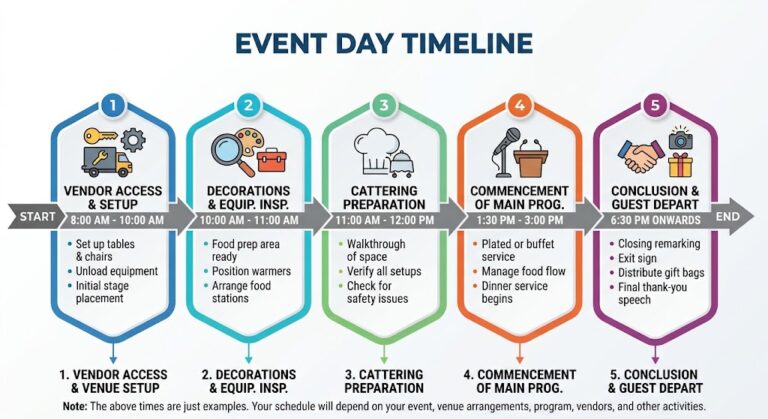
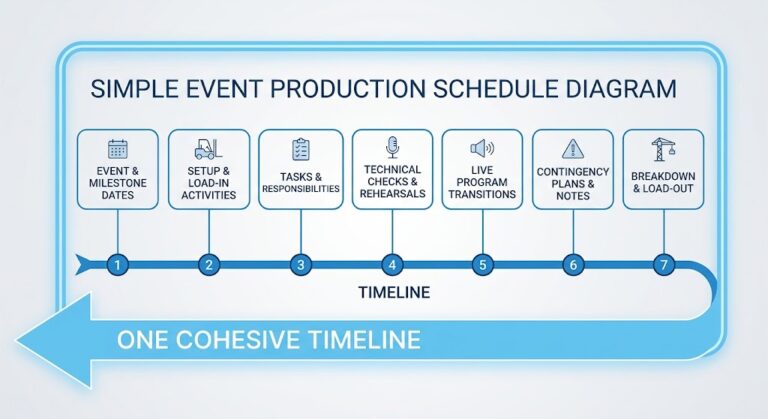
Many event planners plan forward from the start time of the event. Instead, reverse engineer the event and start from the end – the time that the guests depart. Work your way backwards and define the final key milestones for the event such as the event teardown, guest exit process and last pieces of programming. By defining the end first, you can define when setup should begin, schedule sound checks, coordinate vendor deliveries, and allocate enough time for each task. So by planning the whole event before the first invitation is sent, you have a clear understanding of what will happen at the event.
3. Creating Buffer Zones
Event planners based in Nairobi and other locations in Kenya will be all too familiar with the Nairobi factor – how events are affected by seemingly random outside factors, such as traffic, or when a supplier fails to deliver on time. A critical component of any successful event scheduling is the presence of buffer zones or padding, allowing for unexpected delays whilst keeping the event running smoothly.
In terms of time, planners should always pad out transitions between key moments in the event by at least 15-30 minutes, for example for sound checks, or where AV changes are required at the last minute. The additional time will allow your team to absorb any event-related delays and enable your guests to continue to enjoy the occasion without any frustration or stress.
4. Leveraging Technology
Leave the printed spreadsheets and paper conference agendas behind. In the highly energetic and dynamic events industry printed paper quickly becomes outdated the moment a confirmation of change with a supplier is made. Creating a ‘living timeline’ by using a cloud-based planning and scheduling system is far more efficient. In the ‘one-click’ era of apps, it’s easier than ever to allow your AV crew, the caterer, and event planners all access the plan at the touch of a button. Gone are the days of errors caused by different people working with out of date copies of a plan. The schedule becomes a ‘virtual whiteboard’ allowing all team members to be on the very same page.
Automating Guest Communication
Additionally, in managing guest details, we can use technology to our advantage in automating guest communication and updates to a schedule as guests RSVP to an event. Allowing guests to sign up for events online and receiving automatic updates such as session time reminders, through integrated platforms, helps take the administrative burden off event scheduling planners, saving time for more important creative tasks. Also, it allows for a more personalized experience for attendees who receive scheduled updates to an event itinerary in real time. The information is clear, timely and of high professionalism giving attendees the best experience possible leading up to an event.
5. Balancing Logistics
Vendor Coordination
Beautiful event designs can quickly collapse when logistics are not well-designed but not well-managed. For example, a speaker’s setup could conflict with caterers or decor teams arriving to load in at the same time, to set up on stage at the same time. To avoid this kind of chaos, create a detailed load-in schedule, including specific arrival times for each AV, catering, and decor team. Staggered arrival times are key to a seamless transition from an empty venue to a fully-loaded event space, allowing each team to complete their portion of the preparations without interference from other teams.
Keeping Guests Engaged On Event Scheduling
Event scheduling logistics are the foundation of any event but pacing is the heartbeat. A schedule that is too rigid or moves too slowly can easily lose the attention of your guests. To keep the high energy level of your guests throughout the day, you have to design your event flow with dynamic changes in between. This is especially important after meals as most events are affected by the post-lunch slump.
Interactive workshops, networking sessions or high-energy keynote speakers right after a break are a great way to overcome this common phenomenon. By alternating between passive listening time and interactive time with your guests, you will make sure that they are always attentive, stimulated and fully present throughout your event from the opening remarks to the closing of the event.
6. Managing Disruptions with Grace
No matter how well planned out a timeline is, things can and do go wrong. Be it a late arrival from a keynote speaker stuck in traffic or a last minute technical difficulty that hasn’t been anticipated, having a Plan B is crucial to keeping an event on track. In addition to your event planning team based at the office of your event venue, having a dedicated on-site coordinator as your main point of contact is your most valuable asset.
If anything does go wrong at your event and it is dealt with by your on-site coordinator it is likely to be out of the guest’s sight and dealt with instantly. Your on-site coordinator will make the decisions necessary to deal with a problem allowing you to focus on your guests at your event and maintain momentum.
7. Summary
There is a fine line between being professional and having a great event, and that is a well-planned schedule. The events planning involves great detail and precision to reach optimal results and the actual implementation of the plans is where everything comes alive and is seen by others. If you have a good plan with a well-structured schedule then it also brings out the best of the event scheduling and its unique features.
Call-to-Action (CTA)
Get help with creating your event’s timeline and have Lumi Events take care of custom event management for you, while you focus on other things. Find out more about how Lumi Events can provide you with superior scheduling services for events in Nairobi. Explore Lumi Events today.