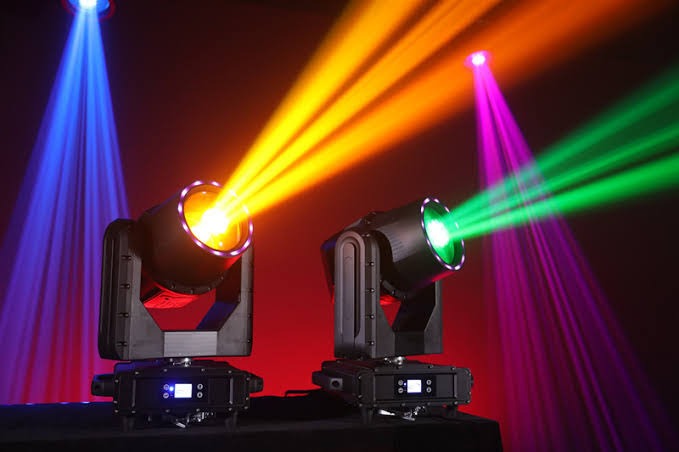
Moving head lights have the potential to completely change the look and feel of an event by offering movement, color, focus, and various lighting effects. Different from traditional fixtures, which illuminate a specific direction, moving head lights can be electronically moved on stage, dance floor, walls, or any other area of the venue.
Moving head lights also have the ability to create different effects such as beam, spots, wash, patterns, and change in colours depending on the fixture.
Using moving head lights in a smart way does not only entail having many fixtures. It depends on the light used, positioning, beam properties, movement, intensity, and programming among other things.
Planning ahead of time can make moving headlights enhance particular parts of the event as well as the atmosphere during intervals between different event segments for guests, photographers, and videographers.
What can moving head lights do to your event? What are some common mistakes to avoid when using them? Here are 7 great things that moving head lights can do to your event, followed by five mistakes to avoid making.
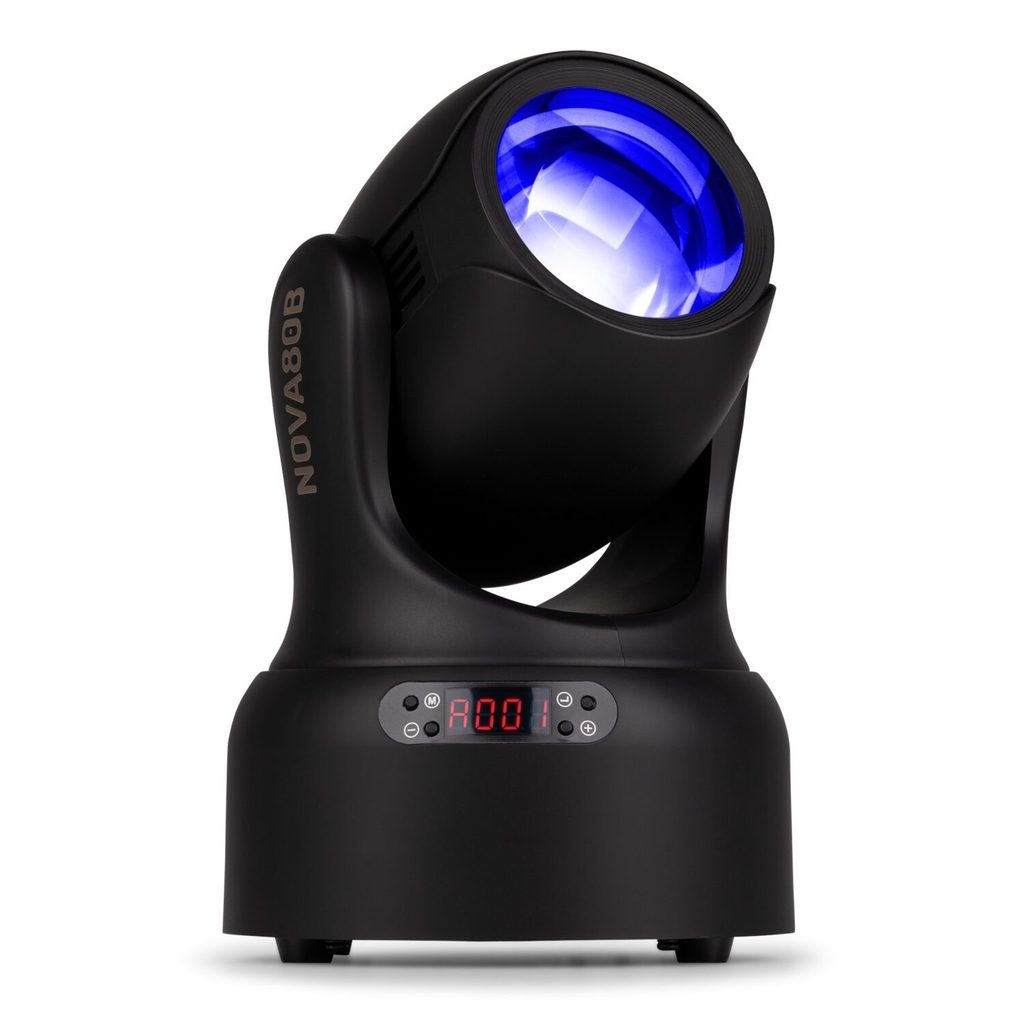
7 Brilliant Ways Moving Head Lights Elevate Events
1. They Add Movement to the Lighting Design
One of the key distinctions that exist between moving head lights and fixed light fixtures is movement.
The lights do not have to light the same place all the time during the event. Instead, they can direct the light from them onto a specific part of the stage, walls or dance floor. This movement may differ depending on the part of the event that it occurs during.
For example, during the dinner part the movement of the light should not be very dramatic while during the opening of the dance floor it can change.
It is crucial to avoid excessive movement all the time since the effect would be achieved only by careful timing of the movement.
2. Moving Head Lights Create a More Defined Stage Focal Point
The lights can focus the audience’s attention on something particular within the space of the event.
They can be arranged in such a way as to accentuate any stage, DJ booth or dance floor. For example, at the time of the presentation, the lights can be focused on the stage rather than lighting the whole room.
3. They Change the Atmosphere Between Event Segments
The mood of an event does not usually stay the same throughout.
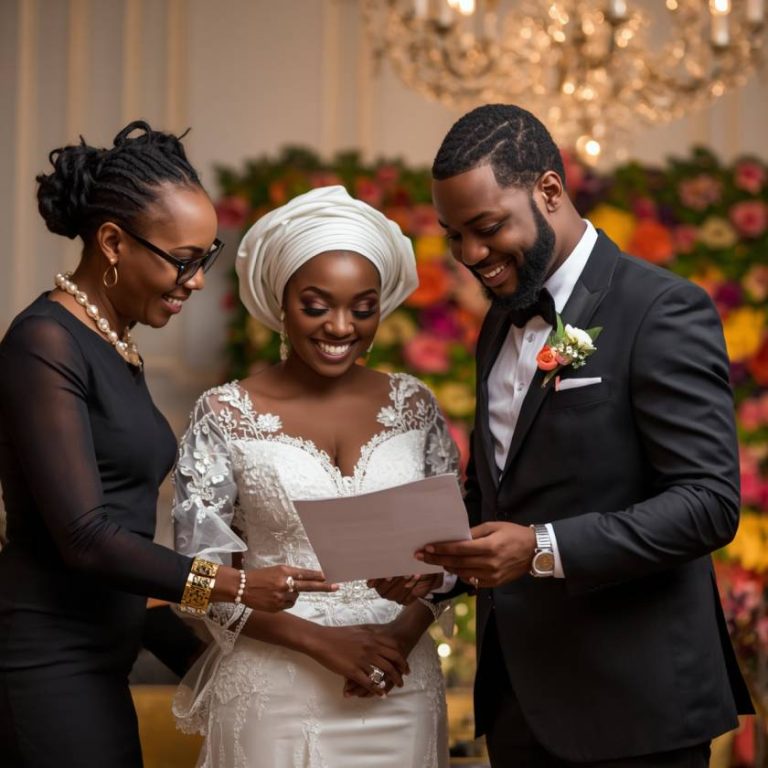
A wedding might start out with guests arriving, move on to dinner, then speeches, first dance, and finish off with a dance floor performance.
Using moving head lights will provide the lighting operator with the means to control the direction, colour, intensity and effects during these transitions.
For instance:
Guests arriving – subtle ambient lighting
Speeches – directed lighting around the presentation area
First dance – gentle controlled lighting and movement
Party – more dynamic lighting effects
Being able to set up different lighting moods using the same equipment is one of its practical benefits.
4. They Make the Dance Floor More Dynamic
The dance floor is perhaps one of the most evident locations for using moving head lights.
While wash lights may be used for covering large areas with colours, the beam or spot lights may be applied for bringing in a new level of effect according to the event organisation.
Additional lighting does not necessarily mean a better one.
Lighting fixtures need to be placed and programmed to provide the required light in such a way that it would not distract guests with any glaring and would fit into the event atmosphere.
5. They Emphasise Significant Moments
Additionally, moving head lights may be utilised as lighting cues for the event.
Some of those events may include:
Wedding procession
First dancing
Cutting the wedding cake
Presentation of awards
Live show
Product presentation
Opening of a dance floor
Instead of providing just background lighting, the lighting change may be used as an accompanying cue for some transitions of the event.
It is the functional purpose of the lighting design which helps to distinguish one moment from another.
6. They Add Visual Depth for Photos and Video
Lighting for events also helps decide the elements captured in images taken and videos shot.
Variations in colors and lighting positions may help create contrast in relation to stage, performers, and background. There can also be use of moving lights to create beams and patterns.
But there also has to be consideration of how the cameras would take the image. A light that goes straight at the camera or guests will result in glare or exposure problems.
In an event where photography or video professionals are hired, there has to be cooperation between lighting operator and production needs.
7. They Provide the Lighting Team More Control
The greatest advantage of moving head lights is its flexibility.
According to the specific equipment, the operator can control several aspects of the fixture, such as:
Pan and tilt
Color
Intensity
Beam or zoom
Focus
Gobos or patterns
Movement speed
Timing of lighting cues
Not all of these are available with moving head lights, so it is important to check the specifications.
This allows the lighting team to design the lighting system according to the event.
Which Events Can Use Moving Head Lights?
Moving head lights may be applicable in different sorts of events, but what type of fixture and its setup should be determined.
Wedding
Moving head lights may be applied around the stage, dance floor or reception area in order to produce various lighting looks during the event.
Corporate Event
In case of conference, award ceremony and launch moving lights may contribute to staging of the event, presentation and switching between program sections.
Party
DJs and other types of entertainments may make use of moving lights to add dynamism to the dance floor.
Concerts & Performances
This kind of lights may prove especially helpful in case the lighting should depend on the performers and change according to the music and program.
What matters here is not the question of whether the event is “big enough” for moving head lights. The main thing is how the lighting helps to create the desired atmosphere.
Moving Head Lights vs Fixed Event Lighting
Moving head lights and fixed lights serve different purposes.
| Feature | Moving Head Lights | Fixed Lights |
| Direction | Can change during the event | Usually remains fixed |
| Movement | Motorised | None |
| Colour/effects | Depends on fixture | Depends on fixture |
| Flexibility | High | More limited |
| Typical role | Dynamic effects and changing looks | General illumination and fixed accents |
These two are not required to be competitive. In an event that is well planned, fixed lighting will ensure proper illumination whereas moving lights will create color and movement.
5 Costly Mistakes to Avoid
1. Selecting Fixtures Solely Based on Wattage
More wattage does not necessarily translate to a better fixture for the specific location.
Optics, angle, range, zoom, color system, and purpose of the fixture also come into play.
2. Picking the Wrong Kind of Moving Head
A narrow beam head fixture and a wide wash head fixture serve distinct purposes.
While a beam fixture might be suitable for aerial effects, a wash fixture would do better at providing coverage of colors.
Selection based on the effect sought is more beneficial than selection based on visual or power aspects.
3. Excessive Use of Movement
Movement of lights can be distractive.
The lights should complement the show and not be a distraction to the performers, decor, speakers or audience.
4. Not Taking into Account the Location
Such factors as ceiling height, stage position, audience arrangement, rigging points available, as well as the distance between the lighting equipment and the area where it is aimed, can influence the outcome of lighting.
A fixture that will work fine in one location might not do in another.
5. Neglecting Photography and Video
Lighting that might look good to the naked eye doesn’t necessarily have to look equally good on camera.
Intense lighting, improper placement of fixtures or constantly changing effects can pose some difficulties.
Are Moving Head Lights Worth It for an Event?
Moving head lights could prove to be beneficial when an event demands changing lighting looks, lighting effects, lighting for the dance floor or better atmosphere control.
Wfen an event requires only basic lighting and nothing more than that, then perhaps the use of moving head lights is not really necessary.
This means that the most ideal lighting design is not necessarily the design that utilizes a large number of moving head lights.
It varies depending on where, what time, lighting needs and equipment.
Frequently Asked Questions
What are moving head lights used for?
A moving head light is utilised to generate directional, variable and programmed lighting effects for events, performances, shows, parties and other types of productions. Based on the particular type of unit, it may deliver such effects as beams, spots, washes, colors and patterns.
Are moving head lights suitable for weddings?
Absolutely, since this equipment may generate various lighting effects during wedding receptions, especially on the stage and dance floor. The configuration should be adapted according to the wedding location and schedule, not depending too much on visual effects.
How does a moving head differ from regular stage light?
The difference between the two is that a moving head has a motorized head which allows changing the direction of the light. A regular fixture usually maintains one direction after installation.
Do moving head lights change colours?
Yes, some of the moving head lights have the ability to change colour, but depending on the individual light unit, it is the technology of the colour changing that differs.
How many moving head lights are required for an event?
There is no general quantity that is applicable to all situations since it will vary with such factors as size of the venue, ceiling height, stage size, light unit and its coverage.
Are moving head lights applicable to use outdoors?
Some can, although it will be determined by such factors as the environmental protection capability of that particular unit of light.
Final Thoughts
The ability to move the lights makes lighting at events much more flexible compared to the static system of lighting. These can bring in some movement, can change the color and mood of the venue, can emphasize certain moments and create variety visually near the stage and the dance floor.
The efficiency of such lighting will depend not only on the equipment used but also on its type, positioning, programming, and intensity.
For this reason, an effective lighting system must not be primarily focused on the use of as much equipment as possible but on using the appropriate lighting system.