1. Introduction
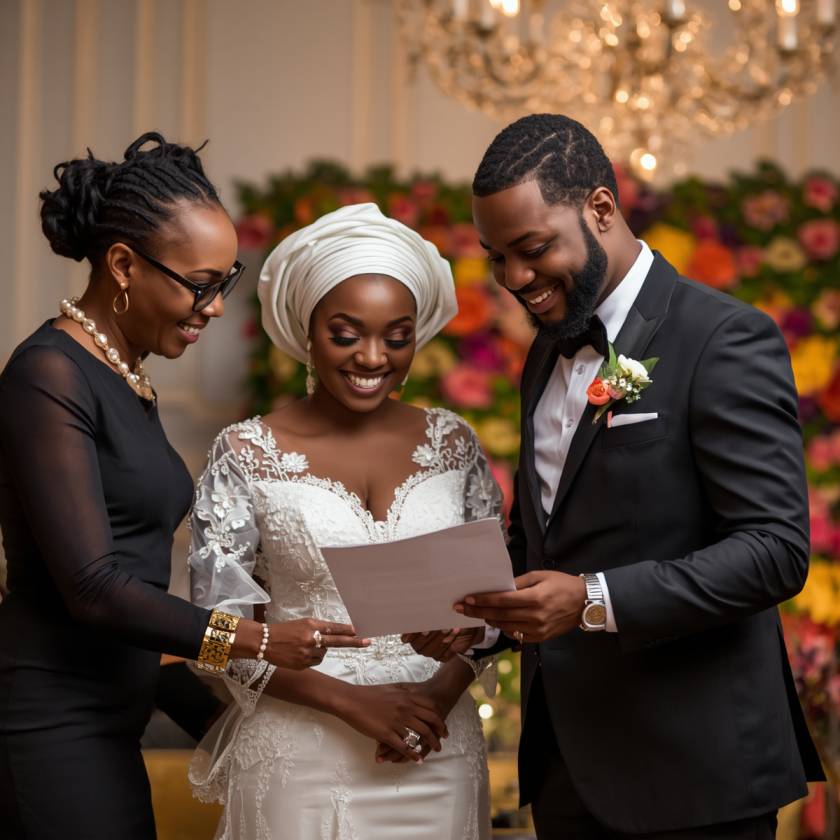
A wedding is one of the most joyous and explosive celebrations on earth – a fusion of the traditional, cultural and the modern; of great depth and breadth in terms of community involvement. The ululations that pierce the air at the Ruracio, the traditional dowry ceremony, will still be ringing in your ears at the evening reception where the floors will be shaking to the beat of the latest dance tunes.
At first thought it seems quite easy to organize a wedding. Guest lists of friends and family seem to be manageable; The ceremonies of a traditional Ruracio and later the wedding and after party will no doubt go ahead smoothly. However, there are many more things that need to be taken into consideration and organized, including an extended family and lots of different cultures to include in the after party. Often the couple gets so overwhelmed by the organization of the wedding, that the time they spend together and the fun of the engagement is forgotten.
Kenyan wedding planning timeline is not easy but with a structured plan, it can be a lot of fun. In this comprehensive guide, we detail a step by step plan to your perfect wedding – whether you are planning locally or having a destination wedding. We will give you a plan to follow so that you can pace yourself, enjoy the run up to your wedding and have the perfect day.
2. Phase 1: The Vision & Cultural Foundations

Establish Your Budget and Guest List The stress-free Kenyan wedding planning Timeline begins with the establishment of your budget and your guest list. In many Kenyan communities, weddings are celebrated as community events. The list of aunties, uncles and other family friends that you will have to add to your guest list is likely to be long.
It will help a lot if you have a wedding committee that will help you raise funds and plan the wedding but this too needs to be established at the very beginning and clearly defined. In fact, the budget you set at this stage will determine the choice of your wedding venue as well as the type of catering you shall provide for your guests.
Plan for the Traditional Ceremonies (Ruracio/Koito/Ekeragerio/Mbukhwe/Nyombo) The Kenyan wedding is made up of a series of events culminating into the white wedding. Before the white wedding there are the marriage negotiations and the customary celebrations for the respective tribes. If you are a Kikuyu then you would have a Ruracio, the Kalenjin a Koito and the Kisii an Ekeragerio.
Discuss with both families about fixing a date for the traditional ceremony in good time and this will also enable you to plan in time for the occasion. Plan for the special traditional attire for these occasions, this would be custom made from items of Kitenge or Ankara and get the dowry which is required for the custom. It’s very important that both families feel honored and are well prepared for the occasion and that is why it is very important to plan in good time before the wedding.
3. Phase 2: Securing the Essentials
Book Your Venue and Key Vendors As the wedding planning season starts to approach for the following year, 9 to 12 months prior to the wedding date is the time when most weddings start to become a reality. In Kenya, especially where the peak wedding months of August and December come around very quickly, it is very important to start looking for venues early to avoid disappointment.
There are so many beautiful venues in Karen for a garden wedding or lakeside wedding in Naivasha or a ballroom wedding in a city hotel. Book your venues and then start booking your key vendors. At Lumi Events we are able to take the stress off your hands by becoming your wedding planner and managing all of your wedding logistics, vendor contacts and design requirements to ensure that your wedding is perfect. As for your photographer and videographer, it is best to book them early as they are in high demand and you wouldn’t want to risk them not being available on your special day.
Your caterer is also another very important vendor to book early as they are usually booked well in advance especially for a big wedding with lots of guests. A good caterer will be able to provide your guests with a wonderful feast of Nyama choma, pilau and mukimo to name a few to mention as well as other delicious Kenyan dishes to satisfy everyone’s appetites.
After booking your venue, you will then look for your Big Three: Wedding Planner/Co-Ordinator, Photographer/Videographer and Caterer. Of these the Wedding Planner/Co-Ordinator is the biggest stress reliever in the world. Why? Well for one it means that someone can take on the job of your “project manager” therefore taking the bulk of your stress away from looking after the day to day running of your wedding.
Not only will your planner take on the organization and logistics of your wedding, they will also work closely with your other vendors and designers to ensure that the overall look and feel of your wedding is exactly what you and your guests are looking for. At Lumi Events we are dedicated to taking care of all of the little things that will keep you up at night if you were to plan your wedding yourself.
Your photographers and videographers will capture your special day in the best possible light and your caterer will make sure that your guests are well fed throughout the day. Whether it is for lunch for your Nyama choma event, dinner for your pilau or mukimo evening or throughout the day and evening for your canapés and champagne cocktail event; your guests will talk about your special day for years to come and thank you for a fantastic night!
Say Yes to the Dress(es) Now that we have started to look at the basic logistics of your wedding, it is time to think about the most important part of your special day. your dresses! If you are purchasing a designer white wedding dress from abroad, this will take at least 9 months for the dress to arrive for you to try on and have any necessary alterations carried out.
As a Kenyan bride however, one white wedding dress is not enough! You will require time to make a variety of custom outfits for all of the traditional ceremonies that will take place as well as a stunning evening reception dress. It is therefore very important to start researching the best quality fabrics to use for your beautiful creations as well as finding a good quality tailor to make them for you. The earlier you start looking for fabrics and a tailor the better as you will then have time to make any necessary alterations to the dresses to ensure that they fit you perfectly.
4. Phase 3: The Finer Details

Choose Your Bridal Party & Wardrobe 6 – 8 months prior to your wedding date – Assemble your bridal party. Choose people that are not only going to be fun on your wedding day but also reliable and can help manage the crazy of the day. Organize outfits of the bridesmaids and groomsmen.
If you have opted for the more common Kenyan wedding custom of having the bridesmaid dresses and groomsmen suits made by a local fundi (tailor) then start looking for fabrics for the dresses and begin planning the dresses, including choosing the colors. Allow plenty of time for the multiple fittings that will inevitably be required to get the perfect Alterations to ensure that they look their absolute best for your big day.
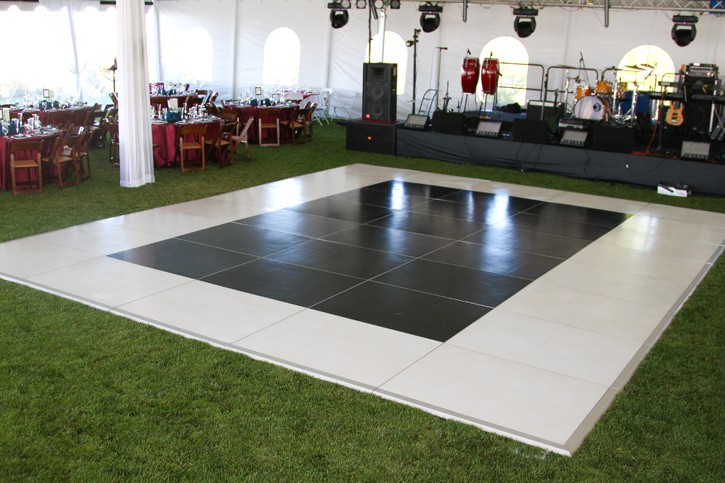
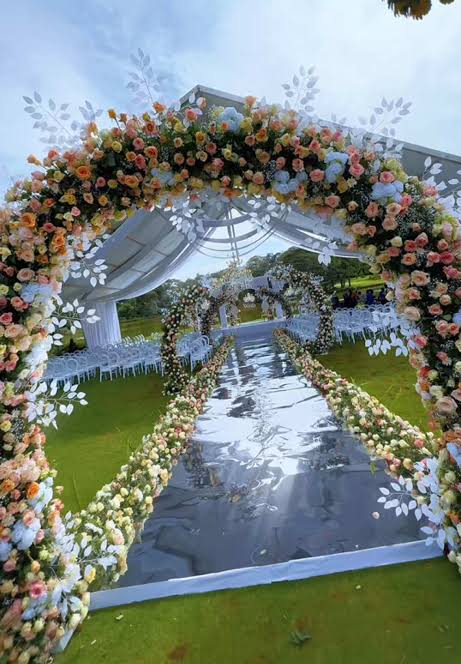
Lock in the Vibe: Decor, MC, and Entertainment – wedding planning tips for a Kenyan wedding. First, lock in the design for your wedding and confirm the details with your chosen wedding decorator. This includes locking in the design for your garden wedding reception such as a grand marquee tent draped with fairy lights or elaborate floral centerpieces for a ballroom style wedding.
While it’s important to focus on the look of your wedding, you need to ensure that there is enough entertainment and that there is a Master of Ceremonies (MC). A great MC for a wedding is essentially the life of the party and he needs to have the charisma to be able to read a crowd, have the cultural awareness and be able to bring in some modern humor into his MCing.
A master of ceremonies is responsible for ensuring that the program is on track and is not too long. He or she can then introduce a great DJ or band, who open with the entrance songs and subsequently crank up the volume for the more traditional songs in order to get the whole family dancing!
5. Phase 4: The Final Countdown

Send Invitations & Manage RSVPsFor weddings that are about three to five months away this is the time to finalize your guest list and send out your wedding invitations. Managing RSVP’s can be very challenging especially in many Kenyan cultures where some guests feel that just because they are on the guest list they can attend. It is best to state the RSVP date on the invitations and then allow younger guests to RSVP online while a close family member can ring around to confirm attendance of the elders and rest of the extended family.
Other major items to buy at this time are your wedding bands. As your wedding bands can have custom engravings and require sizing it is best to buy them a few months before your wedding date to allow for any errors along the way.
Also finalize your honeymoon plans and book your flights and accommodations as they cost the least when booked early whether you are traveling to a white sand beach in Diani, the spice islands of Zanzibar or on a safari in the Masai Mara in luxury lodges, it’s always best to book early to get the best rates. Don’t forget the transport as the bridal party convoy is a major part of Kenyan weddings. Book your hired vehicles early in order to travel in style and comfort.
Vendor Finishing Touches and Final Walkthrough In the weeks leading up to your wedding there is a lot going on behind the scenes to ensure that every single detail of your big day is complete and perfect. Complete the final finishing touches to your wedding gown and suit and conduct the final walkthrough with your vendors.
In this final walkthrough of your wedding venue walk around with your wedding planner, your décor team and your catering team. Confirm the layout of the areas, lock in your final headcount for the big day and finalize the menu with your catering team any menus or aspects of the catering that they can still change for you.
Create a Day-Of Timeline As we all know in Africa, timing is never guaranteed but by making a detailed Kenyan wedding planning timeline, you will be able to breathe easy while your salon prep starts early in the morning and your church service begins on time and then get ready to take pictures with your stunning bridal party at a beautiful location and finally get ready to make an entrance to your vibrant reception.
Include plenty of time between activities for traffic, for hair or make up taking longer than expected or for guests taking long to say goodbye after the ceremony. Share the timeline with your bridals, families and vendors to sync up and then relax and enjoy the day.
7. Enjoying Your Stress-Free Celebration
Kenyan wedding planning timeline does not have to be stressful and chaotic. By following a logical timeline for all of the key planning stages, breaking down the numerous elements that comprise the whole planning process into the respective components for each individual phase, and remembering that the entire objective behind planning a wedding is to enjoy and to take notice of the special occasion.
You shall have loads of fun while you’re planning your Big Day, which shall enable you to be fully present on your special day surrounded by your loved ones, your extended family and your communYou don’t have to go through this planning process alone! Lumi Events staff will take care of planning the wedding from start to finish. We will work out all the details to create your perfect wedding design. Contact us today to start planning your wedding!