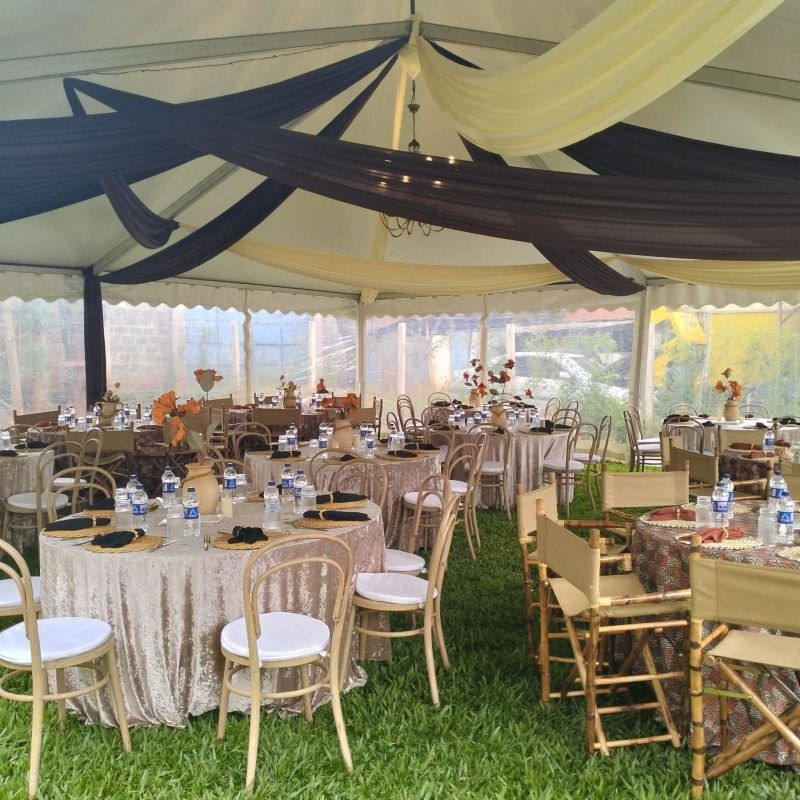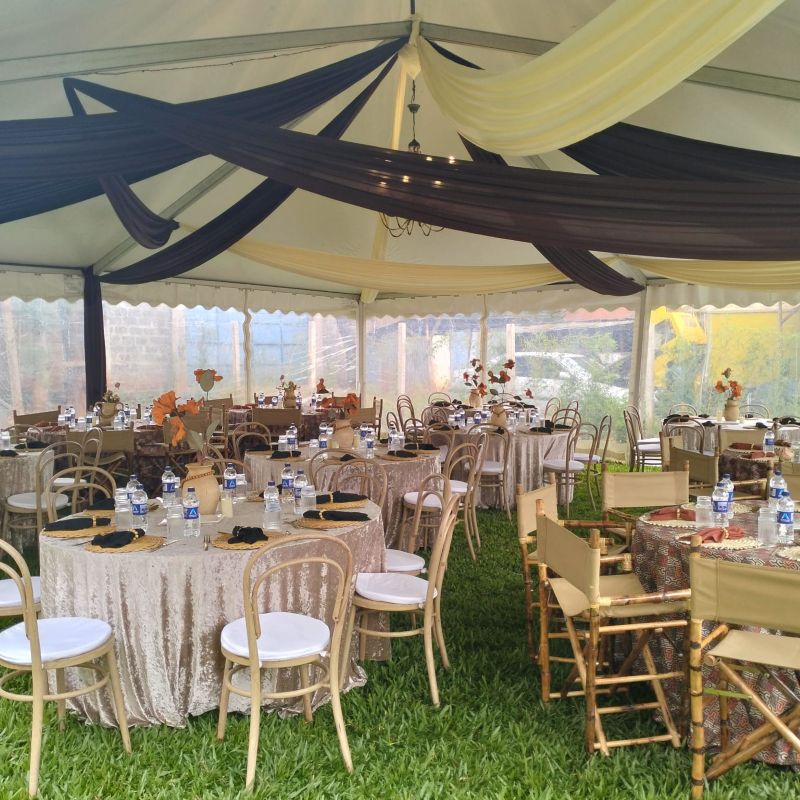
Consider entering your venue even before it officially opens. Perfect lighting, flowers are impeccable, the audiovisual equipment is softly running in the background.
Then picture the alternative: vendors shouting over one another, missing cables, and delivery trucks clogging the loading dock, and your host sweating profusely as your guests begin to arrive.
The difference between these two scenarios comes down to one thing: event logistics
The top reason for running over budget, receiving fines from venues and having issues with vendors is poorly managed logistics, including rushed load-ins, disorganized break-downs and more. The secret of the successful event planning process is the timeline that is highly organized for any event such as a gala, wedding or product launch.
Here at Lumi Events, we know it takes great attention to all the details to create magic. This guide contains 7 tips that we apply when organizing the event logistics and easily applying your setup and break down times.
What is Event Logistics?
Event Logistics can be defined as the process of planning all operations involved in the organization of an event including the planning of vendors, transport to the venue, load-in and strike schedules and the timing of these activities.
Event design helps create the visual and perceptual impact of the event, whereas the event logistics help organize the event. This can include such simple things as making sure the catering truck can access the venue via its service entrance gate and the time when the stage crew should transfer the room to the decorators.
Pre-Event: Strategies for a Seamless Event Set-Up (Load-In)
The whole event is determined by the load-in stage. A delayed setup time is similar to a domino effect and causes a lag in all other tasks. Below are some ways in which your load-in will be successful.
1. To Conduct an In-depth Venue Walk-through: Walk Through the Venue and Ask Questions.
It is not possible to only look at the images and make assumptions about setup time for the event. An in-depth walk-through is a must in corporate event planning.
While completing the walk-through, keep in mind the not-so-romantic side. Take into account the width of service doors and the size of freight elevators.
Have a loading dock for your vendors or they will battle through narrow parking lots? Nairobi requires consideration of tight timings for venue entries and local traffic timings. If the venue does not allow vendors until 8:00 AM, but the staging company requires four hours to get the rig up and running, you must make changes at least four hours before the show.
2. Create a Phased, Staggered Load-In Schedule
The most common beginner’s mistake with events is to have all the vendors showing up at the same time. Of course, this will lead to bottlenecks, aggravated staff and maybe even damaged machinery.
Professional Nairobi event planners, on the contrary, opt for what is referred to as a staggered load-in schedule. The process must be sequential—starting from the biggest installations all the way to the smallest—to avoid vendors stepping on each other’s toes during installation. The typical order is as follows:
Phase 1 – Rigging, heavy AV equipment, stages and heavy lighting.
Phase 2 – High cost rentals like tables, bars and dance floors.
For Phase 3, Table linen, glassware and catering.
Phase 4 – Decor and floristry.
Phase 5 – Soundchecks & tech rehearsals.
You can stagger the time the teams arrive, which gives each team enough time to function.
3. The Power of the “Buffer Zone”
Whatever great planning you make, there will always be a degree of variability that sneaks its way into the planning. It could be a traffic congestion along the main Waiyaki Way road, or the main power cables might simply get left behind in the warehouse, or it could be that it rains.
You have to make what’s called the “Buffer Zone” to ensure that you deal with the timing of events during setup and breakdown effectively. In general, it’s best to plan for an additional 20% – 30% margin for time for each vendor’s setup time. If the audio visual people say that they need two hours to set up their equipment, then book them three hours.

The Main Event: Maintaining Order for the Breakdown
4. Understanding the Breakdown and Preparing Accordingly During the Event
Event breakdown does not start after the event finishes – it begins during the event.
Your event logistics team should be busy behind the scenes packing dollies, empty road cases, and packing materials. Ensure they are stored neatly backstage or in a holding area and will be easily accessible as soon as the event is over.
It’s not a good idea to search for bubble wrap and tape in the middle of the night. Timed offloading of strike equipment makes the change from party to pack-up seamless.
The Post-Event Phase: How to Handle the Breakdown Timeline (The Strike)
It’s over, the client is so happy, and the guests have returned home. But for the team of event managers, the hard part of the evening is just starting. The pressure to get home quickly can cause errors, damage or loss of property and fatigue.
5. The “Reverse Order” Rule Applies to All Specifications
The “Reverse Order” or “Last In, First Out” (LIFO) is an important concept in developing an effective event strike plan. The room needs to be deconstructed in reverse order from which it was constructed.
Clear the smallest, easiest to deal with items first. Plates and glasses should be cleared, and centerpieces and linens should be removed from the table for the caterers to clean.
The AV and staging crew should only start tearing down AV rigs or LED screens after tables are cleared. This will stop costly machines being dropped on furniture that is hired, and ensure safety for all staff.
6. Make Clear “Strike” Responsibilities
Assumptions are a very bad habit during late nights. If you incorrectly assume the venue staff is handling the bar trash instead of the caterers, your client will end up with a surprise cleaning bill
The breakdown timeline should clearly identify responsibilities. Have designated point people to pack up items belonging to the client (such as remaining branded items, awards etc) and ensure the venues are counted before they go on the truck and manage the final sweep of the venue.
7. Rules for Waste Management and Venue Exit
There will be an agreement in place at each site as to how the venue will be left. Some will require you to take all event related waste off-site, some will set a time limit on loading trucks after a certain time, due to the noise you will generate on site.
Integrate waste management into your schedule for planning your event. Recycling, normal waste and liquid waste must be in separate bins. It will be in your best interest to do a joint walkthrough of the venue to make sure everything is left as per the venue’s original state.
Final Thoughts
The days of holding your event with crumpled paper on a clip board are over. To make flawless logistics for your company event, use technology. Use cloud spreadsheets with real-time updates, event management programs and instant communication within the team through categorized WhatsApp for various vendors’ teams.
The final solution to flawlessness is human expertise. DIY event logistics lead to additional expenses, huge stress and flaws that may outshine your event. By hiring professionals for organizing your events, you will buy yourself peace of mind knowing that all trucks, tables and timelines will be handled by experienced people.
Trust Lumi Events with Your Next Nairobi Event
It requires much planning, experience, and calmness to arrange the set-up and tear-down of events. Whether it is an executive retreat on a small scale or a corporate gala on a grand scale, at Lumi Events, we are experts in handling all aspects of making your ideas come alive in Kenya.
We will take care of the logistics while you relax with your guests. Let https://lumievents.co.ke/. be part of your next event. We handle the event logistics so that you can just enjoy it.
Frequently Asked Questions (FAQs)
How Long Will Set Up Take?
The time required for setting up an event varies enormously depending on the scale of the event. As such, a smaller business event might be able to get set up within 2 hours of load-in time, while a larger gala might take 2-3 full days of set-up time.
What Is Striking an Event?
Striking of an event is, in event planning, a term used to refer to the entire process of breaking down the event. It involves the removal of all rented equipment, cleaning of the space after the event, and putting everything back onto the trucks.
Why Should I Hire an Event Logistics Manager?
Your event logistics manager coordinates the arrival times of your vendors, space layout and ensures that the strike takes place in line with your set schedule.They act as your control center, shielding you from venue charges, managing any problems that might arise with vendors, and letting you relax during the event.