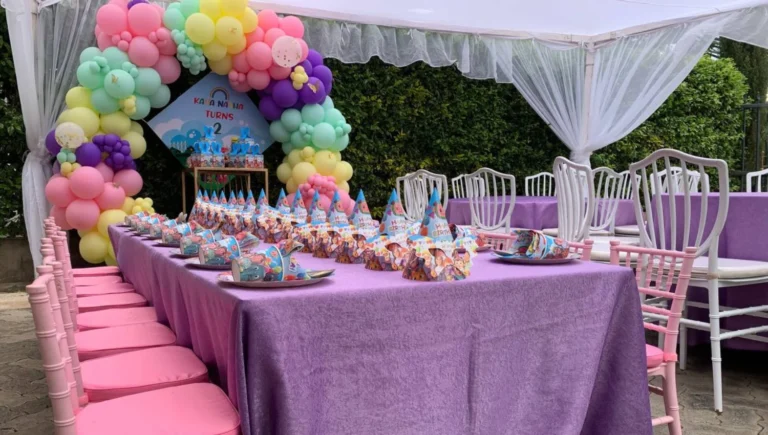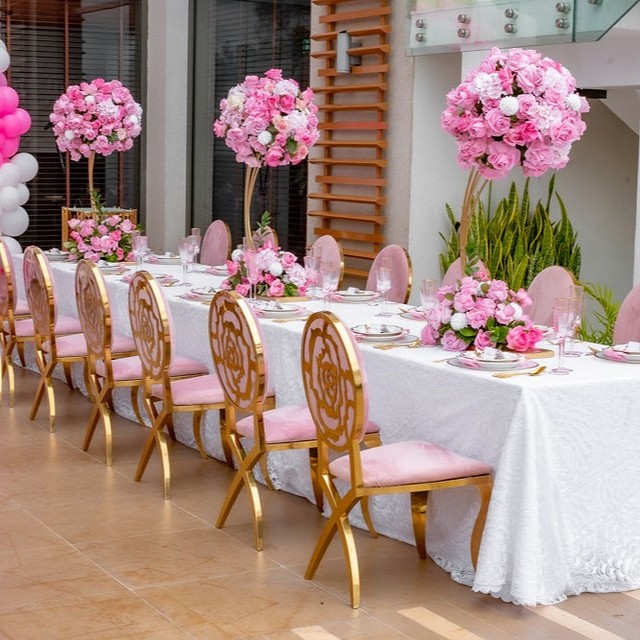
Most three-day festivals or events can generate thousands of pounds’ worth of waste and a massive amount of carbon emissions. There is more awareness of climate change today than ever before and therefore more people are becoming aware of how much their festivals or events are contributing to their carbon footprint. It’s not just the attendees who are bringing about a change, the organizers are as well.
Eco-friendly events are being created that are sustainable in order to minimize the impact on the environment and to provide an excellent experience for the attendees. In our next article we will be sharing some actionable tips on how to host a sustainable event in order to make the biggest impact possible.
The article has been put together by the sustainable event planning experts at Lumi Events in order to provide you with the latest sustainable events industry information. We hope that you find this information informative and that it helps you to create an excellent Eco-friendly events that will leave a lasting impression for all of the right reasons.
2. Why Eco-Friendly Events Are the Future

Why Eco-Friendly Events Matter More Than Ever
Once regarded as a “nice to have” , sustainable events are now becoming business critical. For the events industry that is heavily criticized for its environmental impact, adopting Eco-friendly events management practices will not only enable attendees and participants to take part in zero-waste events that reduce carbon emissions and minimize their impact on the environment; it will also help combat climate change and safeguard the planet and natural resources for future generations.
In addition to helping protect the environment by holding zero-waste events and lowering carbon output, a “green” event can help boost your brand’s image as well as your corporate social responsibility or CSR. Many also are looking for companies to partner with that share the same values. A corporate event, green in nature, can showcase a company’s leadership, forward-thinking as well as its commitment to its community and can serve to make a great impression.
My necessary notice on this important issue: “Green” events don’t have to cost more. Indeed, they typically offer significant efficiencies of cost by going paperless; by eliminating excess and avoiding waste of foods and event supplies; and in other significant ways that most would not have anticipated in advance.
3. The Core Strategies
7 Powerful Strategies for Planning Eco-Friendly Events
1. Select a Green Venue
Start with your venue selection by choosing event spaces with a high amount of natural light, ideally open-air settings. You can ask the venue whether they have in place any sustainability policies such as usage of solar power, ways to conserve water and/or any Green Certification the venue holds.
2. Go 100% Digital
Ditch all printed materials and use event apps, QR code check-in and send out digital email invites and follow-ups. So simple and cost effective to go green!
3. Prioritize Sustainable Catering
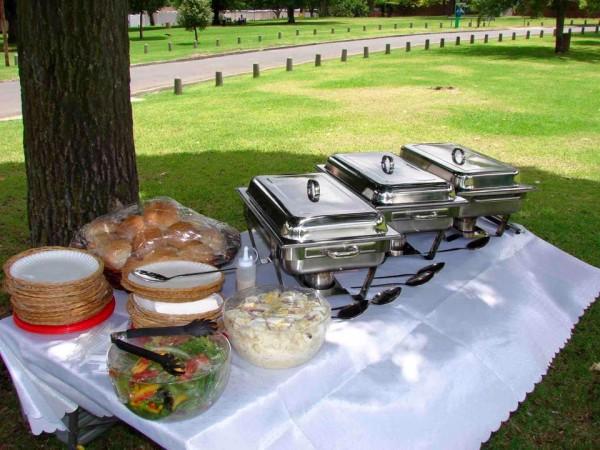
Sustainable catering: All events feature food. The majority of types of food will generate enormous amounts of waste, and have a large carbon footprint. The food element therefore needs to be managed carefully. Events could adopt a farm-to-table approach and source locally seasonal produce.
This will help support the Kenyan farmers and keep food miles down. In addition to the above, events could provide a few meaty dishes and then a variety of other choices to try and meet everyone’s tastes and needs. Re-usable items or biodegradables could be used for the catering. It would also be very good to partner with a local charity and arrange for the uneaten and leftover food to be donated to them to be given to people that need it.
4. Implement a Strict Zero-Waste Policy
To master organizing Eco-friendly events, you need to try your best to organize a zero-waste event. Start by eliminating all single-use plastics from your inventory list, especially plastic bottled water, which can be replaced by nice-designed water dispensers that can infuse fruits and herbs for attendees to sip on.
Make sure you have clearly marked recycling bins and composting bins available around the space. Informed guests are the best waste disposing guests – let them know how you’ll be disposing of waste prior to the event.
5. Rethink Event Decor and Signage
Event decorations also need to change – no more to use disposable vinyl banners and big piles of cut flowers that only get thrown away the day after. Instead, use reusable, upcycled or rented decorations. The use of digital LED screens instead of printed signs and posters is also to be recommended.
In addition to being more versatile than vinyl banners and Eco-friendly events posters, they can be used to show many different films, making them flexible to use. And instead of using standard cut flowers, use beautiful, indigenous potted plants, such as succulents. They look great on tables and can be taken home by guests as a nice souvenir to plant later.
6. Encourage Green Transportation

By far the largest contributor to an event’s carbon footprint is the travel of attendees to and from the event. Where possible encourage guests to travel by ‘green’ transport. For example if your event is taking place outside of the city center, offer to transport guests from city center locations such as train and bus stations across the city to your event by sharing shuttle buses. Additionally encourage guests to travel in carpools.
7. Partner with Eco-Conscious Vendors
Zero-waste events are not solo productions – you need a team of environmentally conscious specialists to help make it all happen. Take the time to create your own ‘green events’ network of suppliers, who share your sustainable event vision. Research venues, carefully select the best green event planners like Lumi Events, search for the best environmentally friendly catering options and collaborate with the leading event designers and producers and event rental companies who specialize in Eco-friendly events products and hire out sustainable event décor.
4. Local Context & Application
Bringing Sustainable Events to Life in Kenya
The Kenyan market is leading in sustainable event planning from ecocabins that host green corporate events in Naivasha to zero-waste events in other locations all over Kenya including Nairobi. The local market is evolving positively and there is room for more, particularly when you have an opportunity to incorporate local culture into your sustainable events design.
To ensure your event is able to showcase local Kenyan artisans, consider having them make the delegate bags from local fibers and materials – which can be reused in order to be sustainable. For the event decor consider collecting unique items from around local markets and second hand stores that can be upcycled for the occasion.
Make sure to also promote local produce on your menu and offer fresh, farm picked Kenyan tea and coffee as well as other local specialties. By supporting local farmers and by using fresh, locally sourced food, you can keep the carbon footprint of transporting food to your event to a minimum.
5. Conclusion & Call to Action
Ready to Host Your Next Eco-Friendly Events?
Greening events have become a global trend that is here to stay. Making sustainable choices now helps create better events and in the long run, it’s better for our planet. Eco-friendly events choices are a sure fire way to increase a brand’s positive impact.
Our events team at Lumi Events is well experienced in planning Eco-friendly events and ‘zero-waste’ events and will work tirelessly to bring your sustainable event to life across Kenya. All of the event details will be looked after by us from the sourcing of sustainable venues to Eco-friendly events designs for the décor, allowing you to focus on the most important thing – your guests.
Let us plan your next event: be it a corporate retreat, conference or celebration, that is sustainable and of course breathtaking. Get more information on how we can make a difference on Lumievents.co.ke or contact us for a consultation.