What makes a very successful corporate event staging stand out? It’s certainly not the chairs and the food. It’s the clean sound coming from the keynote speaker, the colorful presentations on the LED screens, and the lighting that creates just the right mood for your guests.
Getting started with corporate event staging and AV equipment installation can be challenging for beginners. Just one small technical failure such as a squeaking microphone or a flickering projector can make your audience lose their focus and take away from your brand’s credibility.
No matter if you organize a corporate year-end event in Nairobi or a product launch event, understanding how to work with your AV and staging is important. Let’s go through seven key steps on how to do it.
1. Define Your Event’s Goals and Budget
Without considering a single microphone or the stage platform, you need to set up the base of your event. What is the main purpose?
Conferences & Seminars: Need crystal clear sound systems, wireless microphones and highly visible projection systems.
Galas & Award Shows: Require impressive lighting, professional stage setups, and background music
Product Launches: Require impressive visual displays, such as LED video walls, and effective spotlighting.
Allocation of budget for AV: No matter what the size of your event is, always make sure to allocate a reasonable percentage of your budget towards event staging and AV production. Generally speaking, your AV cost will be 15%-30% of your budget based on the nature of the event.
2. Conduct a Thorough Venue Site Visit
Your venue will determine your event staging and audiovisual requirement. Always make sure you conduct a venue survey before making any assumptions about the venue’s audiovisual capabilities.
Things to look out for when conducting the survey:
Height of the ceiling: A low ceiling will affect the size of the stage and screen, while high ceilings will affect the rigging required for the speakers and lighting.
Power supply: Will there be enough dedicated circuits to handle the AV equipment, or will you need to supply silent generators?
Acoustics: If the venue has hard walls and floors like glass walls and concrete floors, then the sound will bounce around and create echoes. This is information that the AV technicians would have to be aware of.
Load-in Access: Check the size of elevators, doorways, and loading docks. If your event staging equipment cannot fit through these access points, you could encounter serious challenges on event day!
3. Prioritize Crystal-Clear Audio
Without being able to hear your speakers properly, your corporate event will not succeed. Audio is arguably the most crucial component of your event’s audiovisual production .
Key Audio Equipment:
Mikes: Employ lapel (lavalier) mikes for presentation while holding nothing in your hands, wireless hand-held mikes for asking questions, and lectern mikes for delivering presentations formally.
PA System (Speakers): Even though two speaker systems will suffice for small rooms, but for a ballroom, you will need to have a sound reinforcement system with line arrays or delay speakers so that everyone sitting behind can also hear properly.
Audio Mixer: It’s here that all audio channels get balanced.
Quick Tip: Always have a backup mike on the stage.
4. Design Visuals That Captivate Your Audience
Visuals enhance your message and help maintain audience engagement. There are various types of visual aid options that can be considered, depending on the size of the venue and the nature of the content.
Projection Screens: Excellent for regular presentations and venues that are either dark or semi-dark. Projectors with higher lumen ratings are recommended for venues with significant ambient light
LED Video Walls: Best choice for corporate events. They are very bright and can be designed into custom configurations. These displays offer excellent visibility even in brightly lit environments
Confidence Monitors: Don’t overlook the presenters! Install small screens on the floor in front of the stage for the presenters to see their screen presentations without turning around from the crowd.
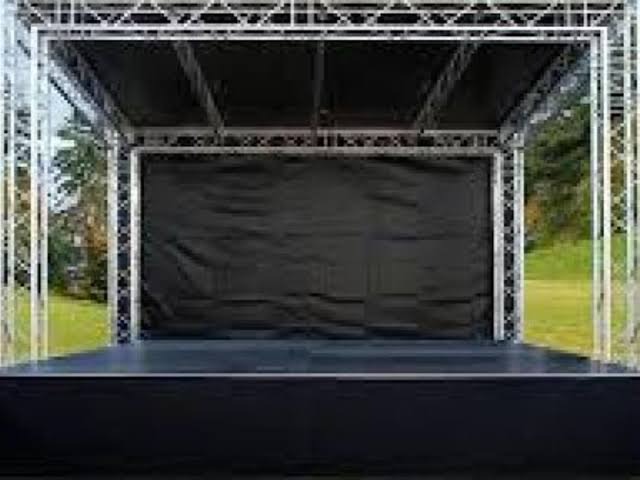
5. Build a Safe and Strategic Stage
Your stage is the focal point of your event. It raises the profile of your presenters, both literally and figuratively
Event Staging Do’s:
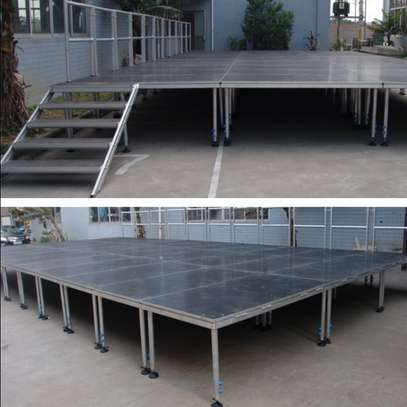
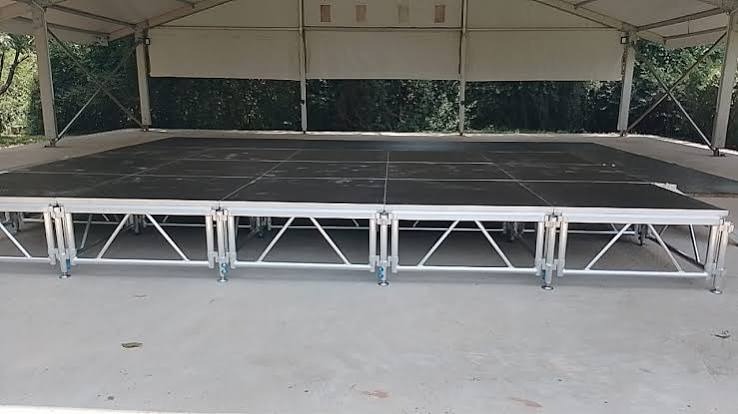
Stage Height and Size: Intimate events will have a small stage that sits 1-2 feet high, whereas large-scale events with an audience of more than 500 people will have a larger and higher stage (3-4 feet).
Safety: Your stage should have safe access steps and appropriate railings to ensure the safety of presenters and other participants. For elevated stages, appropriate edge protection, such as guardrails, should be installed wherever required to ensure safety
Design: Utilize stage skirts to conceal the metal poles used as well as incorporating design aspects such as branding backdrops and branded podiums into your stage design.
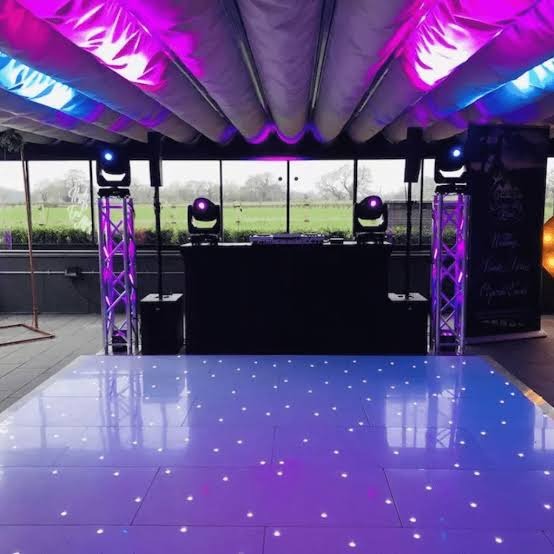
6. Set the Mood with Professional Lighting
Not only is it about illuminating the stage but also attracting the eye to certain places, setting the mood, and getting good pictures.
Types of Event Lighting:
Stage Wash: White and even lighting used to cover the whole stage so that the presenters can be seen clearly both by the audience and the cameras.
Uplighting: Floor-mounted LEDs that illuminate the walls or columns from the bottom. This is a budget-friendly method for bringing your dull conference room to life using your company colors.
Gobos: Custom-designed stencils that can be applied to a light source, casting your company logo onto any surface, whether it’s the wall, ceiling, or dance floor.
Moving Heads: Moving lights that are employed during exciting events such as introductions of awards or products.
7. Partner with an Experienced Event Production Team
One of the most important things for anyone new to event planning is knowing when to bring in the professionals. Dealing with technical equipment and working out the glitches and flow of the event is best left to experts.
Partnering up with a technical producer company such as Lumi Events will take that burden off your mind. Technical support from a team of professionals includes:
Technical Planning before the Event: 3D renders of the stage layout and technical layout drawings.
Technical Experts: Sound Technicians, Lighting Technicians and Vision Mixers who will make sure everything goes as planned.
Technical Rehearsals: The team will conduct a complete technical rehearsal with you and your speakers before the actual event .
Frequently Asked Questions (FAQs)
How much does corporate event staging and AV setup cost ?
Prices vary depending on the venue size, number of participants, and technical requirements of the event. An average setup may cost a couple of hundreds of dollars, while a complicated show involving LED walls and event staging will be more expensive. For more details, please contact us.
What is the distinction between AV and Event Staging?
Event Staging involves building and setting up structures such as platforms, backdrops, podiums, steps, and so forth that will be required for the occasion. On the other hand, AV (audio-visual) stands for electronic gadgets used to present sounds, visuals, and light shows. The two complement each other.
Why should I have a confidence monitor?
The confidence monitor enables the speaker to make eye contact with the audience while being able to control the slides of their presentation and the timing of it.
Ready to Elevate Your Next Corporate Event Staging?
Event staging and AV setup are the essence of any successful corporate function. Having a basic understanding of these elements puts you on the right path towards creating a highly professional event
Don’t leave the success of your event to chance. No matter what kind of corporate event you may be planning in Kenya, whether a corporate training workshop or a huge gala event, Lumi Events has the cutting edge technology and the expertise needed to realize your dreams.
Get In Touch with Lumievents.co.ke regarding your event staging and AV requirements today!